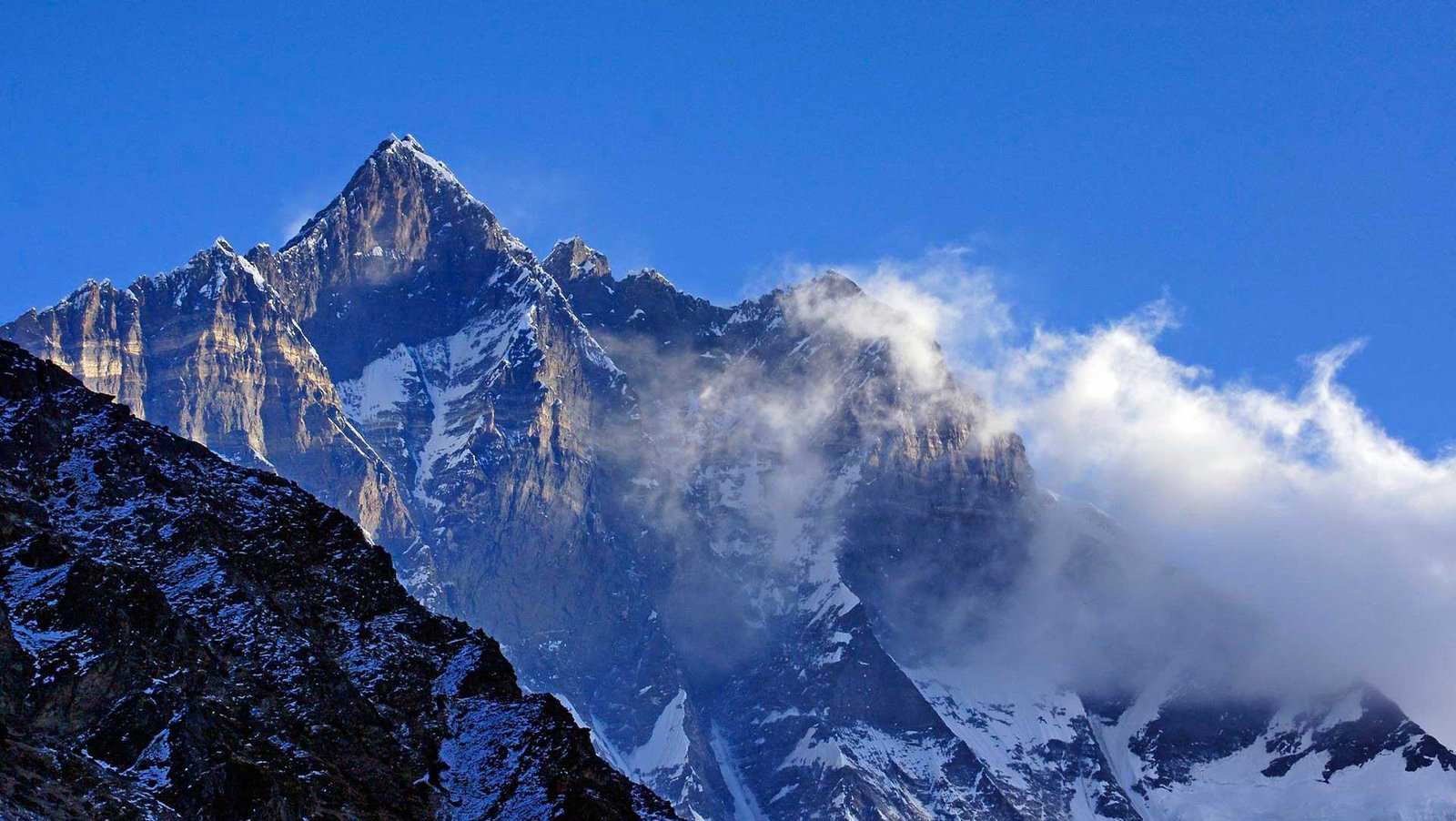
Lhotse South Face Expedition: Complete Guide to the 8,516m Technical Himalayan Climb.
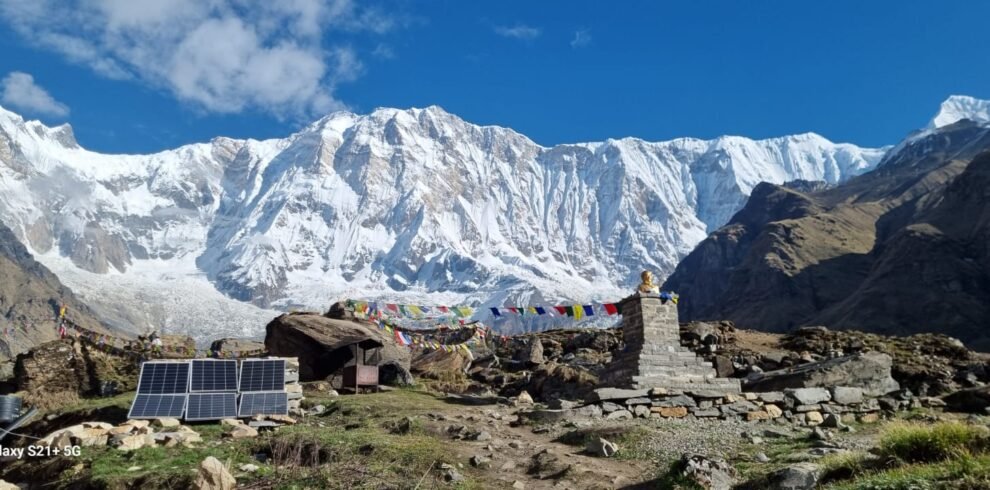
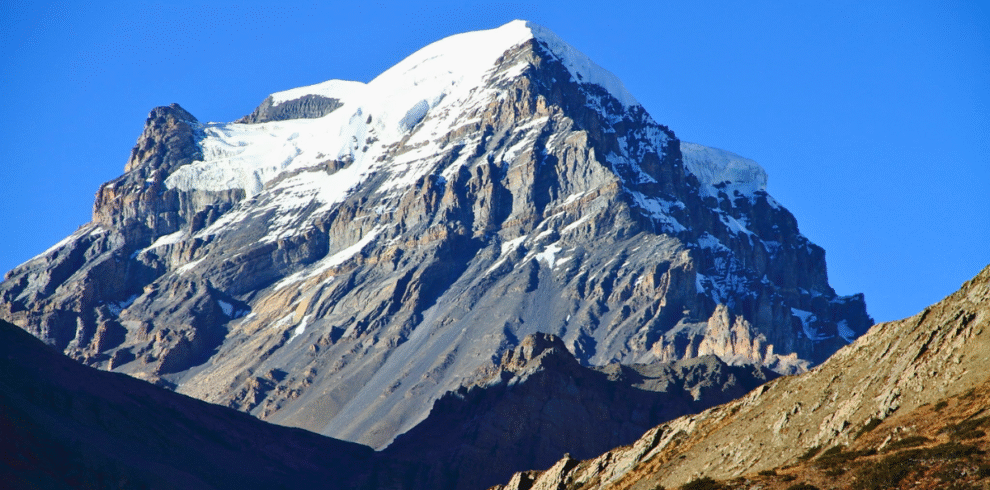
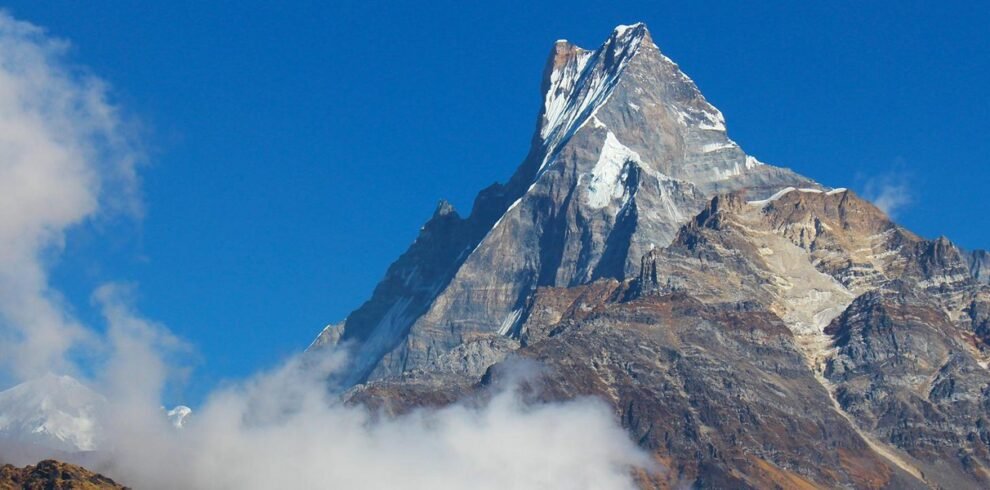
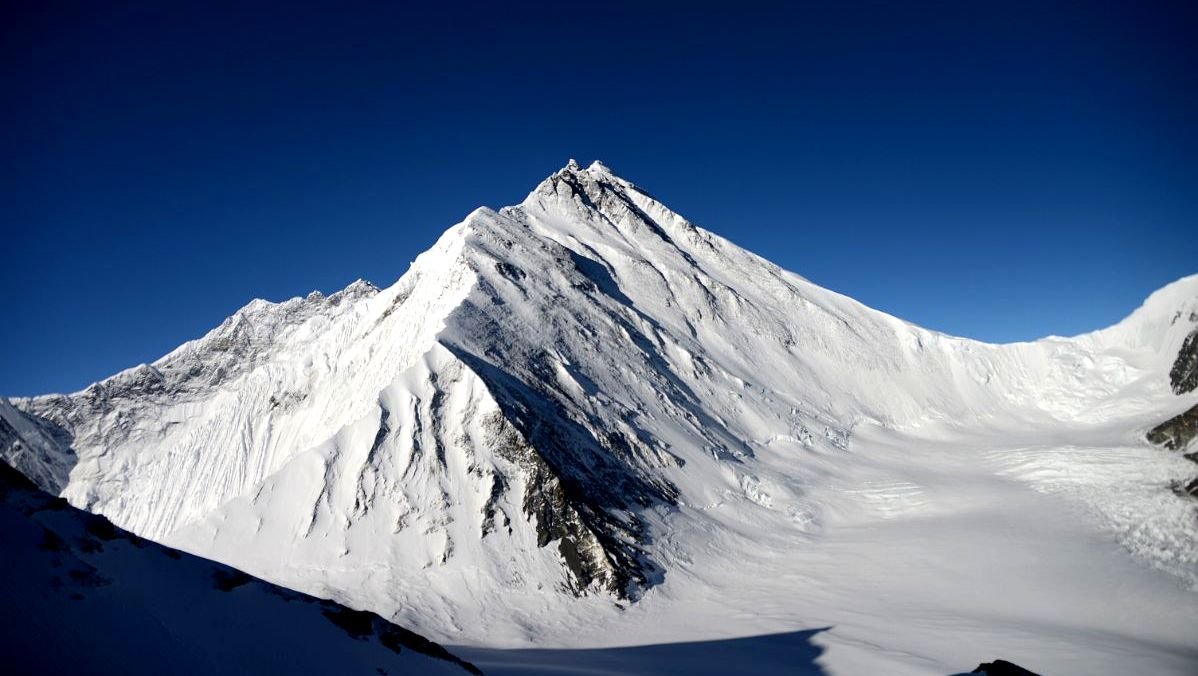
The Lhotse South Face Expedition is renowned for its close proximity to Mount Everest. Standing at 8,516 metres, Lhotse is the fourth highest peak in the world. The expedition route largely follows the same path as Everest, including the famous Lhotse Face, continuing almost all the way to Everest’s Geneva Spur, before ascending a steep couloir to reach the summit.
Lhotse has three distinct summits. The lowest, Lhotse Shar, reaches 8,383 metres, followed by Lhotse East (Middle) at 8,413 metres, and the highest, Lhotse Main, at 8,516 metres. Lhotse Main was first successfully climbed in 1956, while Lhotse Middle saw its first successful ascent much later, in 2001.
Trip Info
-
Hotel/Tea house/Camping
-
Spring /March, April, and May
-
Fly/ Car/ Jeep/ Tourist bus
-
8516m
Overview
The Lhotse South Face Expedition involves ascending Lhotse, the fourth highest peak in the world, via its South Face—a demanding route that includes the Lhotse Couloir and requires advanced technical skills as well as careful acclimatization.
Trip Highlights
- Mt Lhotse is an eight-thousander, and ranks as the fourth highest in the world.
- culture of remote traditional villages similar to Tibet.
- Beat team support regarding oxygen, first aid, meals, accommodations, and other logistics.
- Trekking through the lush natural trails to arrive at the base camp.
- Trek and climb with our experienced Sherpa Climbing Guides.
- Exploring the serene landscapes of Sagarmatha National Park.
- The support of the best and most experienced Sherpa guides.
- Test your high altitude climbing skills on this mountain.
- Observing the diverse flora and fauna of the region.
- Exploring the cultural and religious heritage of the region.
- Training with veteran climbers and mountaineers.
- Climbing the Island peak for acclimatization.
- Practice ground for other climbs above 8000m.
- well set up camps and logistics in the mountain.
Itinerary
Upon arrival at Tribhuvan International Airport in Kathmandu, you will be warmly welcomed by our team and transferred to your hotel. Take some time to rest and recover from your international journey. Depending on your arrival time, you can explore the vibrant streets of Kathmandu, enjoy a local meal, or simply relax at the hotel in preparation for the adventure ahead. In the evening, a brief expedition briefing may be held to go over the upcoming trek schedule, gear checks, and important safety guidelines.
Today is dedicated to completing all official procedures and formalities required for your expedition. This typically includes permit collection, registration with the Nepal Mountaineering Association, and briefing sessions regarding safety and route planning. You may also have time to check and organize your gear, ensuring everything is ready for the trek ahead. In the evening, enjoy a welcome dinner with fellow climbers and guides, where the expedition team will discuss the itinerary, acclimatization schedule, and important safety protocols.
After breakfast, enjoy a guided city tour of Kathmandu, exploring its rich cultural and historical heritage. Visit UNESCO World Heritage sites such as Swayambhunath Stupa (Monkey Temple), Kathmandu Durbar Square, and Pashupatinath Temple, experiencing the unique blend of Hindu and Buddhist traditions. The tour provides an excellent opportunity to observe local life, architecture, and ancient temples, as well as shop for any last-minute trekking gear or souvenirs. In the evening, return to your hotel for a briefing session to review the expedition plan and prepare for the journey to the trekking starting point tomorrow.
After an early breakfast, take an exciting scenic flight from Kathmandu to Lukla, a small mountain airstrip surrounded by towering peaks. From Lukla, begin your trek along the Dudh Koshi River, passing through traditional Sherpa villages, suspension bridges, and lush pine forests. The trek to Phakding (2,622 m) is relatively gentle, allowing you to adjust to the altitude while enjoying the stunning Himalayan scenery. Upon arrival, settle into a teahouse or lodge, have dinner, and rest for the night, preparing for the journey to Namche Bazaar tomorrow.
Today’s trek takes you from Phakding to the iconic Namche Bazaar, the bustling gateway to the Everest region. The trail follows the Dudh Koshi River, crossing several suspension bridges and winding through small Sherpa villages. Along the way, enjoy breathtaking views of towering peaks and glimpses of Himalayan wildlife, including yaks and Himalayan monals. The trek involves moderate uphill sections, helping your body adjust to higher altitudes. Upon arrival in Namche Bazaar (3,440 m), explore the local market, cafes, and traditional Sherpa culture, and settle into your lodge for the night. This is also a good day to rest and acclimatize before continuing higher.
Today you trek from Namche Bazaar to Khumjung, a picturesque village often referred to as the “Green Valley” for its lush landscapes and terraced fields. The trail passes through dense rhododendron and pine forests, with occasional views of Mount Everest and other Himalayan giants. Khumjung is known for its traditional Sherpa culture, stone houses, and the famous Khumjung Monastery, which houses a purported Yeti scalp. Upon arrival, settle into your lodge, explore the village, and enjoy the serene mountain atmosphere. This day also provides an excellent opportunity to further acclimatize before heading higher into the expedition route.
Today’s trek takes you from Khumjung to the historic Tengboche Monastery, one of the most important spiritual centers in the Everest region. The trail passes through beautiful pine and rhododendron forests, crosses charming suspension bridges, and offers panoramic views of Ama Dablam, Everest, Lhotse, and Nuptse. Upon arrival, visit the Tengboche Monastery, known for its meditation halls, colorful murals, and serene surroundings. Stay overnight in a lodge nearby, soaking in the tranquil mountain atmosphere and preparing for the next stage of your expedition.
Today, you trek from Tengboche to Dingboche, gradually ascending through the Imja Valley, surrounded by stunning Himalayan peaks. The trail passes through Sherpa villages, mani walls, and prayer flags fluttering along the way, offering a deep sense of local culture and spirituality. As you gain altitude, the landscape becomes more alpine, with fewer trees and expansive views of Ama Dablam, Lhotse, and Island Peak. Upon arrival in Dingboche (4,343 m), settle into your lodge and rest, allowing your body to acclimatize to the higher altitude before the challenging trek ahead.
Today’s trek takes you from Dingboche to Lobuche, as you continue gaining altitude along the Everest region trail. The route passes through sparse alpine terrain, moraine fields, and scattered stone huts, with spectacular views of Lhotse, Nuptse, and Pumori along the way. You will also see memorials for climbers who attempted Everest, serving as a reminder of the mountains’ challenges. Arriving in Lobuche (4,915 m), settle into your lodge, rest, and focus on acclimatization to prepare for the upcoming climb towards higher camps.
Today is a rest and acclimatization day in Lobuche, allowing your body to adjust to the high altitude before continuing toward the higher camps. You can take short hikes nearby to aid acclimatization, enjoy panoramic views of Lhotse, Nuptse, and Pumori, and explore the surrounding rocky landscapes and memorial sites. This day also provides time to organize gear, hydrate, and prepare mentally for the challenging climb ahead. A relaxed evening at the lodge ensures you are ready for the next stage of the expedition.
Today, you embark on an exciting trek from Lobuche to Everest Base Camp (EBC), one of the most iconic destinations in the Himalayas. The trail passes through the Khumbu Glacier moraine, offering breathtaking views of towering peaks including Lhotse, Nuptse, and Ama Dablam. Along the way, you will notice memorials for climbers, prayer flags, and glacial landscapes that make this journey unforgettable. Upon reaching EBC (5,380 m), take time to soak in the spectacular scenery, capture photos, and experience the unique energy of this legendary mountaineering hub. Return to your lodge at Gorak Shep or nearby for overnight rest and acclimatization.
Over the next several weeks, the expedition focuses on ascending the Lhotse South Face via the Everest route, a period of intense climbing, acclimatization, and technical challenges. The journey includes:
- Progression through higher camps along the Lhotse Face, including Camp I, II, III, and IV (depending on strategy).
- Technical climbs on the Lhotse Face, negotiating steep ice and snow slopes, fixed ropes, and crevasses.
- Navigation through the Geneva Spur, after which the route follows the steep Lhotse Couloir toward the summit.
- Acclimatization rotations: Climbers move between camps to allow their bodies to adjust to extreme altitude, alternating climbs and rest periods.
- Summit attempts: Based on weather windows, teams make their push for the Lhotse Main Summit (8,516 m), the fourth-highest peak in the world.
- Support and safety: Experienced guides and Sherpa teams provide rope fixing, load carrying, and emergency support throughout the climb.
- Environmental responsibility: Camps are kept clean, with waste management and strict adherence to high-altitude safety protocols.
This period demands high physical endurance, technical skill, and mental resilience, as climbers experience some of the most challenging terrain on Earth. Rest, hydration, and careful monitoring for altitude-related issues are crucial during this phase.
After completing the summit attempts and descent from higher camps, the final days are dedicated to cleaning and organizing Base Camp. The team ensures that all equipment, waste, and supplies are properly managed, leaving the site safe, organized, and environmentally responsible for future expeditions.
This period also allows climbers to rest, reflect on their journey, and celebrate achievements at the foot of the Himalayas. Following the cleanup, the team begins descent to lower altitudes, preparing for the trek back to Lukla and eventual return to Kathmandu, marking the conclusion of the Lhotse South Face Expedition.
After descending from the higher camps, today’s trek takes you to Pheriche, a charming village nestled in the Imja Valley. The trail passes through rocky terrain, glacial moraine, and scattered alpine vegetation, offering stunning views of Ama Dablam, Lhotse, and surrounding peaks. Upon arrival, check into a local lodge and rest, allowing your body to recover from the high-altitude climb. This evening is an opportunity to reflect on the expedition, enjoy the serene mountain environment, and prepare for the continued descent toward lower altitudes.
Today, you continue your descent from Pheriche to Namche Bazaar, retracing part of the scenic trail through the Khumbu Valley. The trek passes through traditional Sherpa villages, prayer walls, and suspension bridges, offering beautiful views of the surrounding Himalayan peaks. Upon arrival in Namche Bazaar, check into a local lodge and enjoy the bustling market town, where you can shop for souvenirs, relax in a café, or explore the village. This overnight stay also provides a chance to rest and rejuvenate before the next stage of the journey toward Lukla.
Today, you complete the final leg of your trek back to Lukla, descending through the scenic Khumbu Valley. The trail passes through lush forests, traditional villages, and suspension bridges, allowing you to enjoy the Himalayan scenery one last time. Upon arrival in Lukla, check into a lodge to rest and celebrate the completion of your trekking journey. This evening is an opportunity to reflect on your expedition, share memories with fellow trekkers, and prepare for the flight to Kathmandu tomorrow.
After an early breakfast, take a scenic flight from Lukla back to Kathmandu, enjoying panoramic views of the Himalayan peaks from the air. Upon arrival at Tribhuvan International Airport, you will be transferred to your hotel in Kathmandu. The rest of the day is free to relax, recover from the trek, and enjoy the comforts of the city. In the evening, you may choose to explore local restaurants, enjoy cultural experiences, or attend a debriefing session with your expedition team to review the highlights and achievements of the Lhotse South Face Expedition.
Today is a leisure day in Kathmandu, giving you time to rest, recover, and enjoy the city at your own pace. You can explore local markets, shop for souvenirs, or visit cultural sites such as Patan Durbar Square or Bhaktapur. It’s also an opportunity to reflect on your Lhotse South Face Expedition, review your photos, and celebrate your incredible achievement. In the evening, return to your hotel for overnight rest in preparation for your final departure the next day.
Today marks the conclusion of your Lhotse South Face Expedition. After breakfast, you will be transferred to Tribhuvan International Airport for your international flight home. This is a time to reflect on your incredible journey, the breathtaking Himalayan scenery, and the challenges you overcame. Our team will ensure a smooth departure, and you leave Nepal with unforgettable memories and a sense of accomplishment from conquering one of the world’s most challenging high-altitude expeditions.
Includes/Excludes
Cost Includes
- Arrival and departure transfer services to Domestic flight as per itinerary.
- Assistance at the International airport by Everest Alpine Trekking while arriving and departing in Kathmandu.
- 4 Nights 4-star category hotel accommodation in Kathmandu on B/B basis.
- Experienced and government licensed high altitude trekking and climbing guide during the trekking and climbing period.
- Schedule Flight Tickets for Kathmandu-Lukla-Kathmandu sector to all climbing members, Sherpa guide, liaison officer, and kitchen staff.
- All trekking and mountaineering equipment like; kitchen tent, store tent, dining tents, toilet tents, tables, chairs, and cooking utensils for advance Base Camp and camp two.
- Common climbing equipment (necessary fixed and main rope, ice bars, ice screws, snow bar etc)
- Services of cook and kitchen boy at Base Camp and cook at Camp 2
- 3 meals a day (Breakfasts, Lunch, and Dinners with tea/ coffee) in available tea house/hotel/lodge during the trekking
- 3 fresh meals a day (Breakfasts, Lunch, and Dinners) will be served at base camp, and camp two.
- All food and fuel for Base Camp and higher camps during the expedition for both members and crews.
- Per person 60kg baggage allowance during trekking-up carrying by porter or Yak to climbing the Base Camp
- Daily Weather Report Services from Seattle based
- Trekking Permit (Everest National Park entry fee)
- TIMS card (Trekking Information Management System).
- Expedition Royalty and climbing permit of Nepal Government to climb Lhoste
- Nepalese Government Royalty and fees;
- One Experienced, Trained, Government Licensed, and 03 Times Everest Summiteers Climbing/expedition Guide (Sherpa) per client.
- All wages, equipment, medical and accidental Insurances for all involved staffs in trekking and expedition.
- Medical consultation services at the base camp with the HRA clinic at the base camp.
- Equipment allowances and wages for Climbing Sherpa’s, cooks, kitchen boys.
- Equipment allowances and wages for Government Liaison Officer.
- First Aid medical kits for the Group and the staffs.
- Satellite phone carrying by Guide for communication and available for members with the cost of US$ 3 per minute call.
- Appropriate food for high altitude and all climbing crew at base camp and above as required.
- Required fixed and dynamic rope during the climbing period.
- The heater will be provided at base camp for heating the dining room.
- Emergency Oxygen, mask, and regulator provided on requirement of guest with appropriate charge
- Each expedition member will have an individual tent available in the E.B.C.
- Solar panel for light and battery charger.
- All tents for camp 1, 2, 3, and 4 for members and staff.
- Icefall charges by Sagarmatha Pollution Control Committee.
Cost Excludes
- Lunch and Dinner during your stay in Kathmandu (except for the farewell dinner)
- Any packed food/snacks, aerated drinks, energy drinks, mineral water, alcohol, cigarettes, chocolates, nutria-bars during the trekking.
- Items of personal nature, Laundry Expenses, Tips.
- Any extra expenses arising out of various/unforeseen situations like natural calamities, landslides, political disturbances, strikes, changes in Government regulations, etc.
- Extra transportation then displays in the itinerary program.
- Any additional staff other than specified.
- Rescue, Repatriation, Medicines, Medical Tests, and Hospitalization expenses.
- Medical Insurance and emergency rescue evacuation if required.
- Travel Insurance and helicopter rescue.
- Wallie-talkies & Filming permit (if the special camera or walkies-talkies).
- Personal climbing gears.
- Expenses incurred towards usage of landlines, mobiles, walkie-talkies or satellite phone And Internet expenses.
- Clothing, Packing Items or Bags, Personal Medical Kit, Camera/Video Fees or Trekking Gears.
- Nepal custom duty for import of expedition goods.
- Summit bonus for climbing Sherpa Guides as per Mountaineering Association rules. Minimum US$ 1500.00 per climbing Sherpa guide.
- Tips and gifts for base camp and high altitude trekking and climbing staff are mandatory.
- Airfare of international flights.
- Nepal entry visa fee (easy to obtain the visa on arrival at Tribhuvan International Airport.
- Kathmandu). $30 USD for 15-day, $50 USD for 30 Days, and $125 USD for 90 Days visa.
- Any extra services or products or offers or activities which are not mentioned in the itinerary.
- Any other item not included in the cost includes section.
FAQs
The Lhotse South Face Expedition is an advanced high-altitude mountaineering objective focused on climbing the technically demanding South Face of Lhotse, the 8,516-meter fourth-highest mountain in the world.
It is an extremely demanding technical climbing objective requiring advanced ice, rock and mixed-climbing skills, excellent physical fitness, high-altitude experience and strong expedition judgment.
Lhotse Main reaches 8,516 meters (27,940 feet), making Lhotse the fourth-highest mountain in the world.
The total cost depends on permits, route logistics, technical equipment, Sherpa and guide support, oxygen, Base Camp services, transportation, insurance and expedition duration. The current Nepal government climbing royalty for foreign climbers on Lhotse in spring is US$3,000 per person; this is only one component of the total expedition cost.
Spring, particularly April and May, is generally the primary climbing season for major Himalayan 8,000-meter expeditions because of potentially favorable weather and climbing conditions.
Climbers should have extensive high-altitude mountaineering experience, advanced technical climbing skills and strong experience with crampons, ice axes, fixed ropes, rappelling and mixed terrain. Previous 7,000- or 8,000-meter experience is highly valuable.
The South Face is a distinct technical climbing objective on Lhotse and should not be confused with the standard commercial Lhotse route via the South Col–West Face. The exact South Face route and approach depend on the expedition's climbing strategy and current conditions.
Essential equipment can include high-altitude mountaineering boots, crampons, technical ice axes, climbing harness, helmet, ascender, descender, carabiners, ropes, high-altitude clothing, sleeping systems and other technical protection and safety equipment.
Supplemental oxygen may be used during an 8,000-meter expedition depending on the climber, route, expedition strategy and medical plan. Oxygen requirements should be confirmed with the expedition operator before departure.
It is an extremely serious mountaineering objective involving risks from extreme altitude, severe cold, high winds, falling ice or rock, avalanches, crevasses, falls, exhaustion and rapidly changing weather. No responsible operator can guarantee a summit.