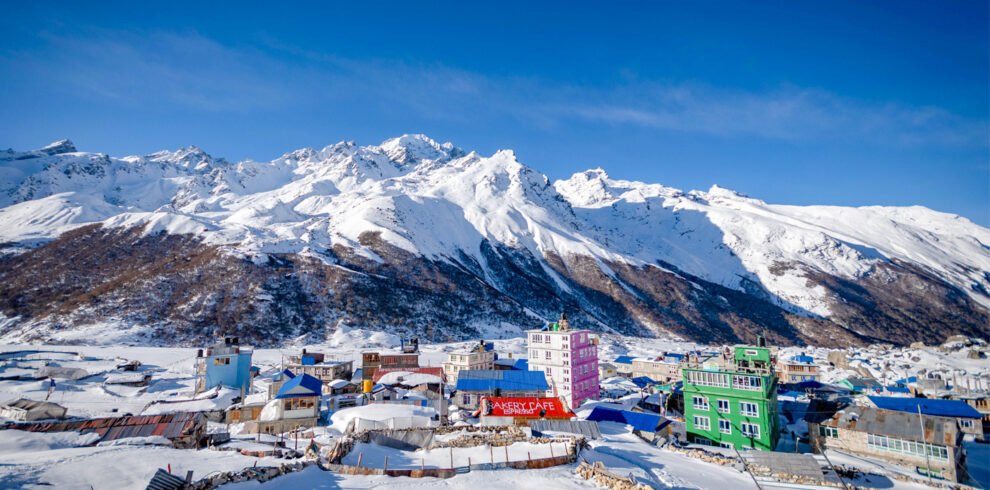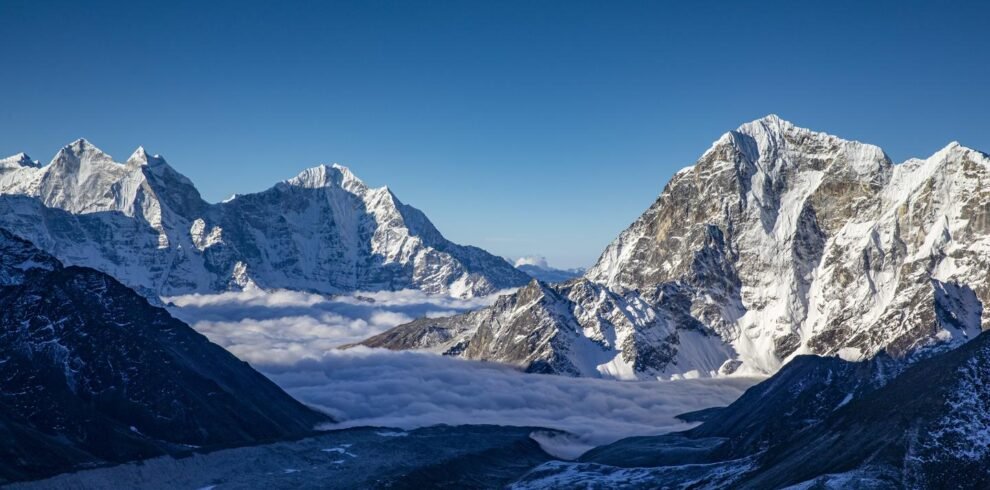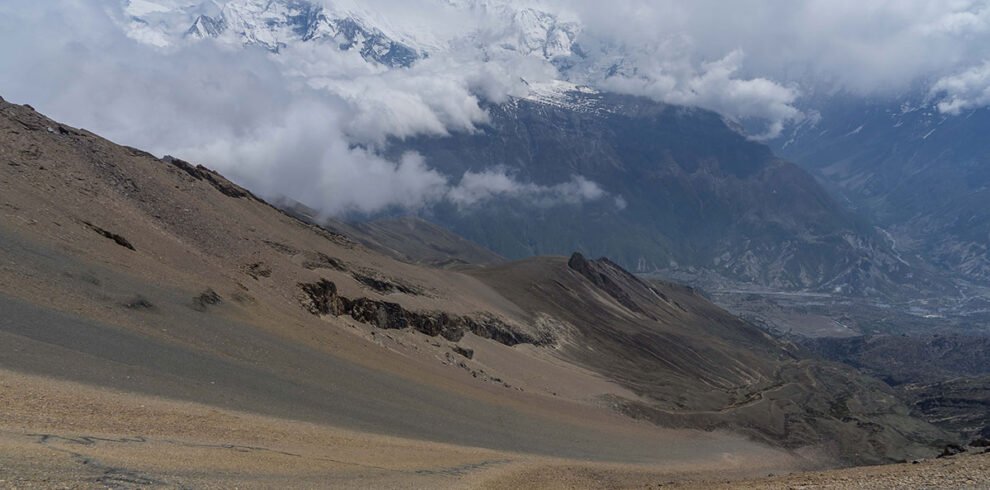
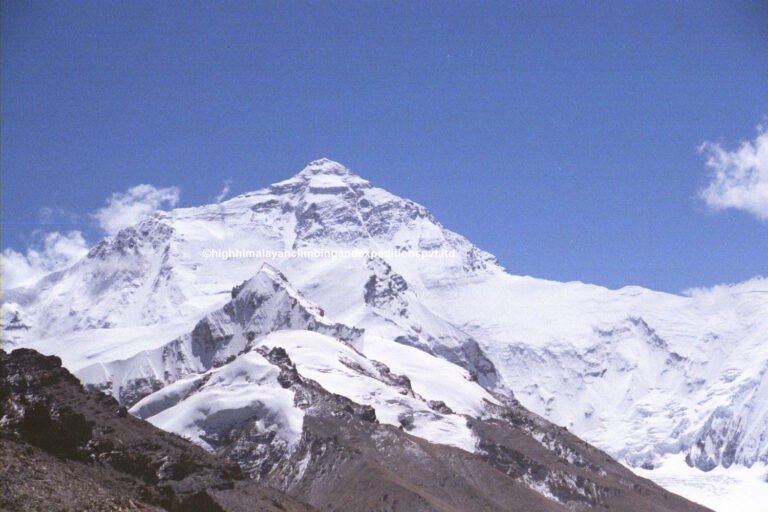
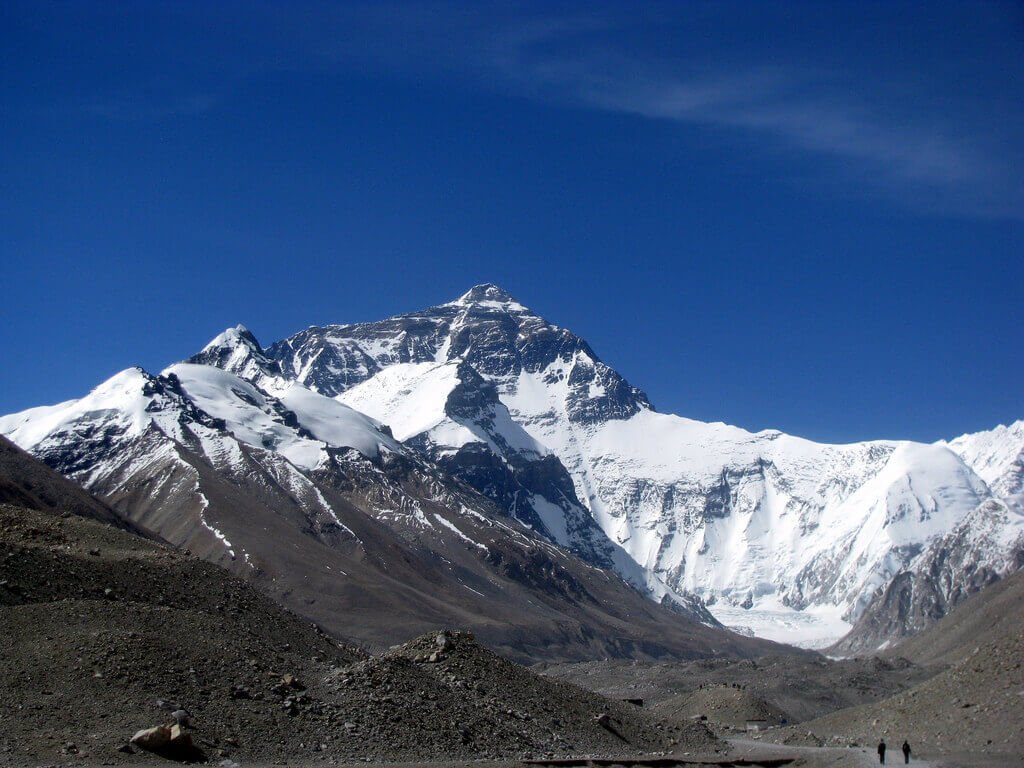
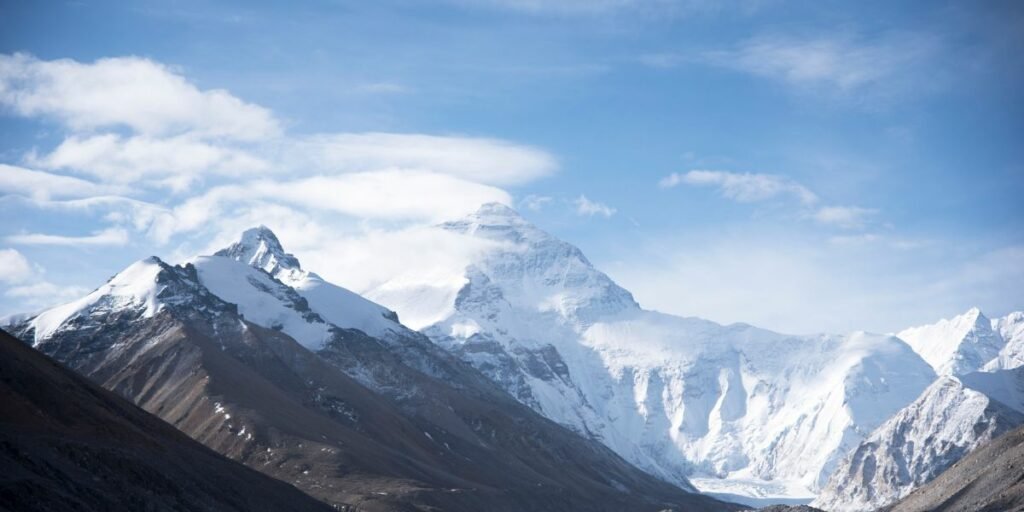
The climbing history of Mount Everest’s north side in Tibet began with expeditions from around the world aiming to conquer the peak from this route. Nations competed to be the first to reach the “roof of the world.” The first expedition took place in 1921, a British reconnaissance through Tibet. In 1924, climbers George Mallory and Andrew Irvine joined another British expedition, creating a lasting mystery: did they reach the summit or not? Over the years, several more attempts were made on Everest’s north side. Finally, on 20 May 1953, a British team succeeded in reaching the summit—but from the south side in Nepal. To the Himalayan people, Mount Everest is known as Chomolungma, meaning “Goddess Mother of the World” or “Liberal Minded Goddess.
Trip Info
-
Hotel/Tea house/Camping
-
Autumn - Spring
-
Fly/ Car/ Jeep/ Tourist bus
-
8848.86m
Overview
The Everest North Expedition, following the north face route from Tibet, is one of the most famous mountain expeditions in the world. Climbing via the north route is considered relatively more straightforward than the south face approach. Mount Everest, the tallest peak on Earth at 29,029 feet (8,848 meters), offers an extraordinary challenge and a once-in-a-lifetime experience. Satori Adventures provides a full-service expedition to this iconic summit, maintaining a small group size and a 1:1 climber-to-Sherpa/guide ratio. We are dedicated to delivering the highest level of support, with experienced climbing guides, skilled Sherpa assistance, and premium high-altitude gear to ensure a safe and successful journey.
Trip Highlights
- Expedition will be finished after summiting the Mt Everest Expedition North side.
- Expert & experienced cook and crew.
- Nice, Friendly & Comfortable logistic arrangements at BC & ABC.
- Fully medical back up and emergency communication facilities.
- Excellent logistics at base camp with carpeted dinning along with heaters.
- 6 days drive to base camp experiencing the unique culture of the Tibetan plateau.
- Personal Climbing Sherpa to each climber in Everest North side.
- Participation on the longest Himalaya expedition (63 days).
- Climb the world’s highest peak, Mt.Everest with already summitted Sherpa Guides.
Itinerary
- Arrival at Tribhuvan International Airport, Kathmandu: Upon landing, you will be warmly welcomed by our team and transferred to your hotel in Kathmandu.
- Hotel Accommodation: Check-in at your hotel and settle in. Enjoy comfortable lodging with modern amenities to relax after your flight.
- Orientation & Preparation: During your stay, you will have time to rest, recover from travel, and attend pre-trek briefings. Guides will provide detailed information about your upcoming expedition, route details, altitude preparation, and safety measures.
- Sightseeing & Cultural Experience (Optional): You can explore Kathmandu’s rich cultural heritage, including visits to UNESCO World Heritage Sites like Pashupatinath Temple, Boudhanath Stupa, Swayambhunath (Monkey Temple), and Durbar Square.
- Equipment Check & Permits: This period is also used for checking trekking and climbing equipment, finalizing permits, and ensuring all logistics are ready for your journey.
- Leisure & Acclimatization: Spend time walking around Thamel or nearby areas, acclimatizing gently to Kathmandu’s altitude and preparing mentally and physically for the expedition ahead.
Overnight: Hotel stay in Kathmandu (1,350 m).
Trekking/Climbing Preparation: Today is dedicated to finalizing all preparations for your Everest expedition. Your guide and support team will review the route, safety measures, and essential tips for high-altitude trekking.
Visa & Permits: Complete any required visa formalities and expedition permits for Tibet (if climbing the North Route) or Nepal. Assistance will be provided to ensure all paperwork is correct and submitted on time.
Equipment Check: Confirm that all climbing and trekking gear is ready, properly fitted, and meets expedition standards. Any last-minute items can be purchased or adjusted in Kathmandu’s trekking gear markets.
Leisure & Acclimatization: Use this day to rest, walk around Kathmandu, or enjoy light sightseeing. Gentle activity helps with acclimatization to Kathmandu’s 1,350 m elevation.
Hotel Accommodation: Stay overnight at your hotel in Kathmandu.
- Drive to Timure: After breakfast, begin your scenic drive from Kathmandu to Timure, a small border village near the Nepal-Tibet frontier. The journey takes approximately 6–7 hours and passes through picturesque landscapes, including terraced fields, rivers, and traditional villages.
- Checkpoints & Border Formalities: You may pass local checkpoints and immigration areas; your guide will assist with any necessary formalities.
- Arrival in Timure: On arrival, settle into your hotel or guesthouse. Take some time to rest and acclimatize to the gradual increase in altitude.
- Leisure & Preparation: Use the evening to relax, have dinner, and prepare for the trek ahead.
- Hotel Accommodation: Overnight stay at a hotel in Timure (1,832 m).
Immigration & Border Formalities: After breakfast, complete all necessary immigration and permit formalities at the Nepal-Tibet border in Timure with the assistance of your guide.
Drive to Kerung Heights: Once formalities are completed, continue your drive to Kerung Heights in Tibet. The journey is about 1 hour, offering scenic views of the Tibetan plateau, rivers, and surrounding mountains.
Arrival at Kerung Heights: Upon arrival, check into your hotel or guesthouse. Take time to rest and acclimatize to the higher altitude of 3,200 m.
Evening Preparation & Leisure: Relax in the evening, review expedition plans with your guide, and ensure all trekking equipment is ready for the journey ahead.
Hotel Accommodation: Overnight stay at a hotel in Kerung Heights (3,200 m).
Scenic Drive to Tingri: After breakfast, embark on a 4–5 hour drive from Kerung Heights to Tingri, a historic Tibetan town that serves as a gateway to Mount Everest’s north side. The route offers breathtaking views of the Himalayan ranges, including panoramic vistas of Shishapangma and Cho Oyu.
Arrival at Tingri: On arrival, check into your hotel or guesthouse. Tingri is at an altitude of 4,348 m, so take time to rest and acclimatize to the thinner air.
Evening Preparation & Briefing: In the evening, your guide will review the next stage of your expedition, including trekking routes, safety protocols, and altitude strategies.
Hotel Accommodation: Overnight stay at a hotel or guesthouse in Tingri (4,348 m).
Rest and Acclimatization: Today is a rest day to help your body adjust to the high altitude of Tingri. Proper acclimatization is essential for a safe and successful Everest expedition.
Acclimatization Hike: After breakfast, your climbing Sirdar will guide you on a short trek to a nearby hill at approximately 5,000 m. This hike helps your body adapt to thinner air while providing stunning views of the surrounding Himalayan peaks, including Everest, Cho Oyu, and Shishapangma.
Return and Rest: Descend back to Tingri for lunch and spend the afternoon resting, hydrating, and preparing for the next stage of your journey.
Evening Briefing: Your guide may review expedition plans, equipment checks, and safety measures for the upcoming trek.
Hotel Accommodation: Overnight stay at your hotel or guesthouse in Tingri (4,348 m).
Scenic Drive to Base Camp: After breakfast, begin a 3-hour drive from Tingri to the Everest North Base Camp in Tibet. The route offers spectacular views of the Rongbuk Glacier, surrounding peaks, and the vast Tibetan plateau.
Arrival at North Base Camp: Reach the Chinese side Everest Base Camp at an altitude of 4,800 m. Take time to acclimatize and enjoy the breathtaking views of the North Face of Mount Everest.
Exploration & Photography: Spend time exploring the area, taking photographs, and experiencing the unique high-altitude environment. The Rongbuk Monastery nearby offers cultural insight into Tibetan Buddhist traditions.
Evening Preparation: Your guide and Sirdar will brief you on the trekking route ahead, safety protocols, and equipment checks for the next stages of your expedition.
Hotel Accommodation: Overnight stay at a hotel or guesthouse near Everest North Base Camp (4,800 m).
Rest and High-Altitude Acclimatization: Spend these two days at the Chinese Base Camp to allow your body to adjust to the high altitude. Proper acclimatization is crucial to reduce the risk of altitude sickness and ensure a safe climb ahead.
Preparation for Advanced Base Camp: During this period, the team will arrange yaks and necessary supplies for the trek to Advanced Base Camp (ABC) via Middle Camp. Your climbing guides and Sherpas will check equipment, oxygen systems, and other logistics.
Short Acclimatization Hikes: Light hikes around Base Camp may be conducted to help your body adapt gradually, while also enjoying close-up views of the North Face of Everest and surrounding peaks.
Briefings and Strategy: Your climbing Sirdar and guides will review the trekking plan, safety measures, and emergency protocols for the ascent to ABC.
Hotel Accommodation: Overnight stay at a guesthouse or tented accommodation at Everest North Base Camp (4,800 m).
Camp Clean-Up: After breakfast, take part in cleaning and organizing the Base Camp area. Maintaining the environment is important to preserve the pristine conditions of Everest.
Trek to Middle Camp: Embark on a short trek from Base Camp toward Middle Camp. This is an opportunity to enjoy panoramic views of the Rongbuk Glacier and the surrounding Himalayan peaks while practicing light acclimatization.
Drive Back to Tingri: After completing the trek, descend and drive back to Tingri. The journey takes approximately 4–5 hours and passes through scenic Tibetan landscapes and traditional villages.
Evening Rest & Preparation: On arrival in Tingri, relax and review plans for the next stages of your expedition. Dinner and briefing sessions with guides are included.
Hotel Accommodation: Overnight stay at a hotel or guesthouse in Tingri (4,348 m).
Early Breakfast & Preparation: Begin your day with an early breakfast and final gear checks. Ensure all high-altitude equipment, clothing, and oxygen supplies are ready for the trek.
Trek to Advanced Base Camp (ABC): Start trekking from Middle Camp to Advanced Base Camp at 5,700 m. The journey involves navigating the Rongbuk Glacier, rocky trails, and high-altitude terrain. The trek usually takes several hours, depending on weather and acclimatization needs.
Arrival at ABC: Reach Everest North Advanced Base Camp, your high-altitude staging area for summit preparation. Enjoy spectacular views of the North Face of Everest, Changtse, and surrounding Himalayan peaks.
Camp Setup & Rest: Settle into the tented camping accommodations. Take time to rest, hydrate, and eat high-energy meals to prepare for the next acclimatization climb.
Evening Briefing: Your climbing guides and Sirdar will review the route ahead, safety measures, and altitude strategies for summit attempts.
Camping Accommodation: Overnight stay in tents at Advanced Base Camp (5,700 m).
Summit Preparation: After arriving at Advanced Base Camp (5,700 m), you will spend several days preparing for the summit push. This includes acclimatization climbs to nearby high points, training on glacier and ice techniques, and final equipment checks.
Climbing Period: The climbing period to the summit of Mount Everest is carefully scheduled based on weather windows, team readiness, and altitude acclimatization. Climbers ascend gradually through high camps on the North Route (e.g., Camp 1, Camp 2, and Camp 3), resting and acclimatizing at each stage.
Summit Attempt: When conditions are favorable, climbers make their final push to the summit at 8,848.86 m, experiencing one of the most extraordinary achievements in mountaineering. Your Sherpas and guides provide essential support, guidance, and safety monitoring throughout the climb.
Descent: After reaching the summit, climbers descend back to Advanced Base Camp safely, retracing the route through the high camps while carefully monitoring fatigue and altitude effects.
Camping Accommodation: Overnight stays are in high-altitude tents at the Advanced Base Camp and intermediary camps throughout the climbing period. Proper acclimatization, rest, and nutrition are maintained to ensure safety and success.
Descent from ABC: After completing the summit climb and spending time at Advanced Base Camp, begin your descent toward the Chinese Base Camp. The trek is relatively easier than the ascent but still requires careful attention due to altitude and glacier terrain.
Scenic Views: Enjoy breathtaking vistas of the Rongbuk Glacier, Everest North Face, and surrounding Himalayan peaks along the way.
Arrival at Chinese Base Camp: Reach the Chinese Base Camp at 5,200 m, where you can rest, hydrate, and recover from the high-altitude climb.
Evening Relaxation & Debriefing: Your guides will review the descent route ahead, discuss the next day’s plans, and ensure all logistics and transportation are ready.
Hotel Accommodation: Overnight stay at a guesthouse or tented accommodation near Chinese Base Camp (5,200 m).
Descent Drive: After breakfast, begin the drive from the Chinese Base Camp back to Tingri. The journey takes approximately 4 hours along scenic Tibetan landscapes, passing glaciers, rivers, and traditional Tibetan villages.
Arrival at Tingri: Reach Tingri and check into your hotel or guesthouse. Take this time to rest, recover from the high-altitude trek, and enjoy a warm meal.
Evening Leisure & Briefing: Spend the evening relaxing and debriefing with your guides about the final leg of your journey back to Kathmandu.
Hotel Accommodation: Overnight stay at a hotel or guesthouse in Tingri (4,348 m).
Scenic Drive: After breakfast, drive from Tingri to Kerung Heights. The journey takes approximately 4–5 hours, passing through the vast Tibetan plateau, traditional villages, and stunning Himalayan landscapes.
Arrival at Kerung Heights: Check into your hotel or guesthouse upon arrival. Take time to rest and recover from the high-altitude trekking and long drives.
Evening Leisure: Relax and enjoy dinner while preparing for the next stage of your descent toward Nepal.
Hotel Accommodation: Overnight stay at a hotel or guesthouse in Kerung Heights (3,200 m).
Immigration & Border Formalities: After breakfast, complete all required immigration and permit formalities at the Kerung border with Nepal. Your guide will assist to ensure a smooth process.
Drive to Kathmandu: Begin the scenic 8-hour drive back to Kathmandu. The route passes through beautiful Himalayan landscapes, terraced fields, rivers, and local villages, offering one last glimpse of the Tibetan plateau.
Arrival in Kathmandu: Upon arrival, check into your hotel. Take the evening to rest, recover, and enjoy a warm meal after the long journey.
Hotel Accommodation: Overnight stay at a hotel in Kathmandu (1,350 m).
Transfer to the Airport: After breakfast, you will be transferred from your hotel to Tribhuvan International Airport, Kathmandu, for your onward flight.
Farewell & Departure: Say goodbye to your guides, Sherpas, and the majestic Himalayas as you conclude your unforgettable Everest North Expedition.
End of Expedition: Safe journey home with memories of one of the world’s most extraordinary adventures.
Includes/Excludes
Cost Includes
- Mt. Everest Climbing Permit, and all government taxes.
- Group Chinese visa fee.
- Chinese custom clearances at the border.
- Private transport from Kathmandu to border, to Base Camp & return.
- Truck to carry expedition loads to & from BC.
- Full board accommodation (B/L/D) en-route to & from BC.
- Chinese Liaison officer& interpreter.
- Liaison officer wages, allowances and insurance.
- Six nights, 5 star hotel deluxe accommodation on single room BB basis.
- BC – Advance Base Camp – BC, yaks to carry the loads.
- Expedition Sherpa Guide/Sirdar.
- Experienced & Professional high altitude Personal Climbing Sherpa on 1:1 ratio.
- Experienced Expedition Cooks and Kitchen helpers.
- Permanent kitchen facilities at advance base camp.
- Emergency kitchen and logistics facilities at middle camp.
- Quality single tentto each client at BC with sleeping mattress.
- Quality carpeted dinning tent with heater at BC.
- All necessary kitchen & camping equipment.
- Shower facility at base camp.
- Quality high altitude tents for the higher camps.
- All necessary climbing hardware gears including the ropes.
- Highly preferable meals at BC and for the higher camps.
- All the hot drinks with beverages during the expedition.
- Quality high altitude freeze dried food & individual packet food.
- EPI gases with burner for high camps.
- POISK Oxygen (06 cylinders Per Client & 03 cylinders Per Sherpa).
- Mask and Regulator to each client (to be retuned after expedition).
- Walkie-talkie set to each client with radio base at BC.
- Satellite phone for the emergency call (Personal call on payable basis).
- Solar Panel/Generator with accessories at BC for recharging & power supply.
- Oxygen set at BC for medical purpose.
- Gamow bag /PAC at BC for medical purpose.
- Daily wages, equipment bonus of staff.
- Insurance of local team members.
- All airport/hotel transfers by private vehicle.
- Half day city tours in Kathmandu.
- Celebration meal in Kathmandu.
Cost Excludes
- International flight to Kathmandu.
- Nepal's multiple Visa fee.
- Excess baggage charges for the international flight.
- Lunches in Kathmandu.
- Travel cancellation and rescue insurance.
- Personal climbing Equipment.
- Personal expenses (individual beverages, phone calls, satellite phone, Internet, laundry, bar bills, and all other personal items).
- Optional trips and sightseeing, if extended (Visa for Tibet in such a case).
- Tips (guide, assistant guide, porters, yak man, driver, city guide, etc.).
- Extra night(s) accommodation in Kathmandu or in Tibet due to early arrival, late
- Any other expense that is not included in the quoted price.
FAQs
The best climbing seasons are pre-monsoon (April–May) and post-monsoon (September–October). During these months, the weather is generally more stable, with less snow and clearer skies, providing safer and more enjoyable climbing conditions.
Climbers should have high-altitude trekking or mountaineering experience and excellent physical fitness. Prior experience above 5,000 m and proficiency in using climbing gear such as crampons, ropes, and ice axes is strongly recommended. A detailed training program before the expedition is highly advised.
1:1 climber-to-Sherpa/guide ratio
High-altitude tents and accommodation at Base Camps
Expert climbing guides and Sirdar oversight
All necessary climbing and trekking equipment
Yak or porter support for transporting supplies
Pre-trek briefings, acclimatization planning, and safety protocols