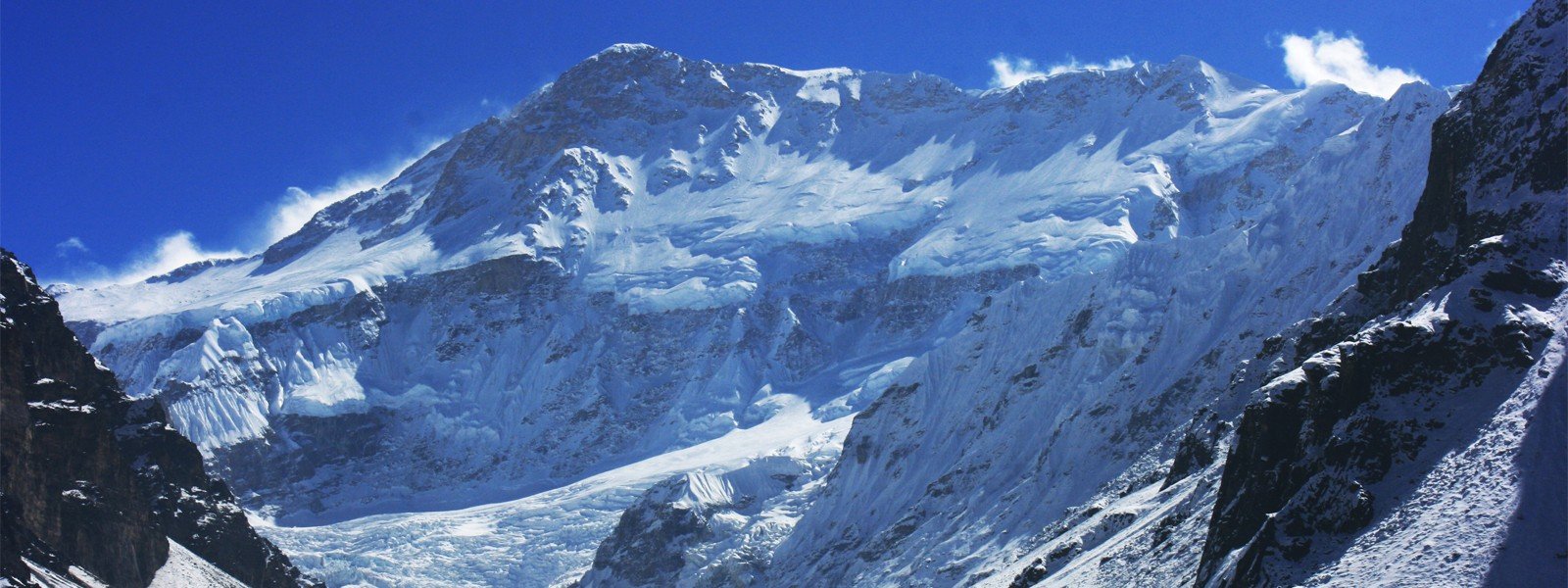
Kanchenjunga Expedition – Complete Guide to Climbing the 8,586m Himalayan Giant.
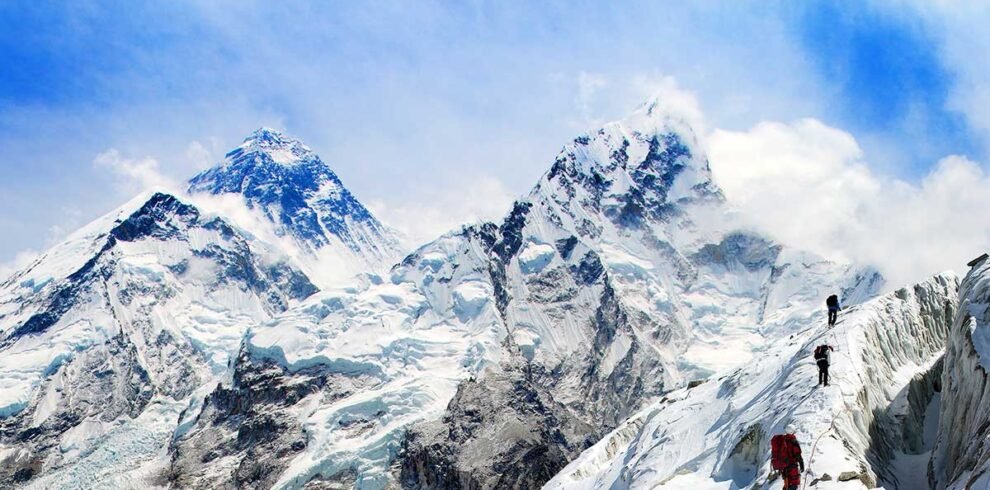
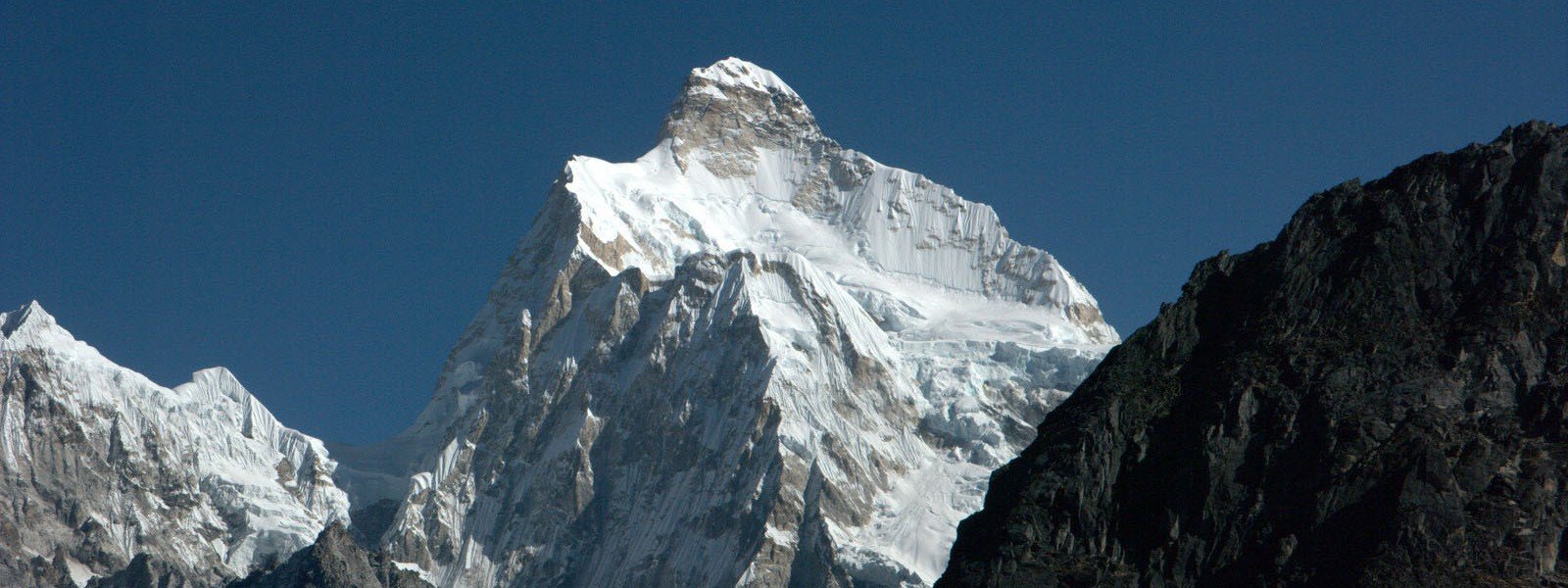
The Kanchenjunga Expedition, also referred to as Kangchenjunga or Kinchinjunga, takes you to the world’s third-highest peak, located in the majestic Great Himalayan Range. The Kanchenjunga massif features four main summits, three of which rise above 8,000 metres. Kanchenjunga I, the tallest, reaches 8,586 metres, followed by Kanchenjunga West at 8,505 metres, Kanchenjunga South at 8,494 metres, and the lowest, Kangbachen, at 7,903 metres. The arrangement of these peaks resembles a cross, with each summit forming an “arm,” connected to neighbouring peaks by four major ridges, all rich in glaciers.
Once thought to be the highest mountain in the world, Kanchenjunga, which translates to “five treasures of the high snow,” straddles the border of Nepal and India. The mountain was first successfully climbed in 1955 by Joe Brown and George Band during the British Kanchenjunga Expedition—50 years after the first attempt in 1905.
Myth and Legends
Local communities in the surrounding regions of India and Nepal share tales of a mysterious creature roaming Kanchenjunga’s slopes. In 1925, a British expedition reportedly sighted a bipedal figure, which locals believed to be a mountain demon. For generations, people have regarded Kanchenjunga as a sacred dwelling of the gods, adding a layer of mystique to its breathtaking beauty.
Trip Info
-
Hotel/Tea house/Camping
-
Spring/Autumn/Winter
-
Fly/ Car/ Jeep/ Tourist bus
-
8586m
Overview
The first successful ascent of Kangchenjunga was achieved on May 25, 1955, by Joe Brown and George Band as part of a British expedition. Respecting the Sikkimese tradition that considers the summit sacred, the team deliberately stopped just a few feet below the actual peak. Since then, all subsequent expeditions have honored this practice, and no team has reached the true summit from the Sikkim side.
In later years, several international teams focused on climbing Yalung Kang, a subsidiary peak of Kangchenjunga. The Japanese expedition team attempted this in 1973, 1974, and 1976, successfully reaching Yalung Kang. A German team also climbed Yalung Kang in 1975, followed by a successful ascent by an Indian Army team in 1977.
Trip Highlights
- Third highest mountain in the world.
- Remote and challenging trek into the mountain.
- Unique Limbu villages on trek.
- Awe inspiring scenery getting to on the mountain, and on the mountain.
- The ‘Five Treasures refer to the five peaks” Kanchenjunga I (8586m), Kanchenjunga West (8505m), Kanchenjunga South (8494m), Central (8482m) and Kangbachen (7902m).
- Three of the five peaks that make up Kanchenjunga Himal, Kanchenjunga 1, Central (8482m) and South (8494m) are on the border, while the West (8505m) and Kangbachen (7902m) are in Nepal.
Itinerary
Arrive in Kathmandu, the vibrant capital of Nepal, and transfer to your hotel. Take the rest of the day to relax and recover from your journey. Depending on your arrival time, you can explore the nearby streets, enjoy local cuisine, or simply rest and prepare for the expedition ahead. Overnight stay at the hotel.
Use this day to rest, acclimatize, and prepare for the trek ahead. You can organize your gear, check equipment, and attend briefings about the expedition route and safety guidelines. This is also a good opportunity to explore local markets in Kathmandu, purchase any last-minute supplies, and enjoy some Nepali cuisine. Overnight stay at the hotel.
Take an early morning flight from Kathmandu to Bhadrapur. Upon arrival, meet your trekking team and drive to Kanyam, a beautiful tea garden region known for its lush greenery and scenic landscapes. Spend the day enjoying the peaceful surroundings and preparing for the trek ahead. Overnight stay at a local lodge or hotel in Kanyam.
Drive from Kanyam to Taplejung, the gateway to the Kanchenjunga region, enjoying the scenic landscapes along the way. From Taplejung, continue by road or short trails to Chirwa (1,185 m), a small village surrounded by lush forests and terraced fields. This marks the beginning of your trek into the Kanchenjunga region. Overnight stay at a local lodge in Chiruwa.
Begin your trek from Chiruwa, passing through peaceful villages, terraced fields, and lush forests. Enjoy scenic views of the surrounding hills and rivers as you gradually ascend toward Sekathum (1,640 m). This moderate trekking day allows you to acclimatize while experiencing the rich culture and natural beauty of the region. Overnight stay at a local lodge in Sekathum.
Continue your trek through the Kanchenjunga region, moving from Sekathum toward Amjilosa (2,490 m). The trail gradually ascends, passing dense forests, terraced fields, and charming local villages. Take in the spectacular views of the surrounding hills and rivers while observing the daily life of the local communities. This day helps further acclimatize as you gain altitude. Overnight stay at a local lodge in Amjilosa.
Today, the trek continues as you ascend from Amjilosa to Gyabla (2,730 m). The trail winds through dense forests, terraced fields, and small villages, offering glimpses of local life along the way. Enjoy stunning mountain views as you steadily gain altitude, allowing your body to acclimatize for the higher elevations ahead. Overnight stay at a local lodge in Gyabla.
Begin the trek from Gyabla, gradually ascending through lush forests, traditional villages, and beautiful streams. The trail offers stunning views of the surrounding peaks and the Kanchenjunga range in the distance. Arrive in Ghunsa (3,430 m), a charming Sherpa village known for its warm hospitality and unique culture. This trek day allows you to continue acclimatizing as you approach higher altitudes. Overnight stay at a local lodge in Ghunsa.
Take a well-deserved rest day in Ghunsa to allow your body to acclimatize to the higher altitude. You can explore the village, visit local monasteries, or take short walks to nearby viewpoints. This day is crucial for preparing your body for the challenging days ahead on the Kanchenjunga Expedition. Overnight stay at a local lodge in Ghunsa.
Today, begin your trek from Ghunsa toward Khangpachen (or Khangbachen) at 4,040 m, gradually gaining altitude. The trail winds through alpine forests and open meadows, offering breathtaking views of the Kanchenjunga range and surrounding peaks. Take breaks to enjoy the scenery and allow for proper acclimatization. Upon arrival, settle into the lodge and rest in preparation for the higher-altitude trek ahead. Overnight stay at a local lodge in Khangpachen/Khangbachen.
Take a rest day to acclimatize at Khangpachen/Khangbachen. Use this time to explore the surrounding alpine meadows, observe local wildlife, or take short hikes to nearby viewpoints for stunning panoramas of the Kanchenjunga range. This day allows your body to adjust to the higher altitude, preparing you for the challenging trek ahead. Overnight stay at a local lodge in Khangpachen/Khangbachen.
Today, descend slightly from Khangpachen/Khangbachen toward Lhonak (2,790 m). The trail passes through alpine landscapes, rocky terrain, and scattered glacial streams, offering spectacular views of the surrounding peaks. Lhonak is a small settlement near the glacial region, serving as an ideal stop before ascending further into the high Himalayas. Overnight stay at a local lodge in Lhonak.
Begin the challenging ascent from Lhonak toward the Kanchenjunga Base Camp (5,140 m). The trail leads through glacial moraines, rugged landscapes, and dramatic mountain vistas. Along the way, take in stunning views of Kanchenjunga’s towering summits and surrounding peaks. This trek day is demanding but rewarding, as you reach the iconic base camp and immerse yourself in the grandeur of the world’s third-highest mountain. Overnight stay at a tented or local lodge in Kanchenjunga Base Camp.
Take a full rest day at Kanchenjunga Base Camp to acclimatize and enjoy the breathtaking surroundings. You can explore nearby trails, capture panoramic photos of the Kanchenjunga peaks, or simply relax while absorbing the serene high-altitude environment. This day is essential for recovery and preparation for the challenging trek back. Overnight stay at a tented or local lodge at the Base Camp.
This period is dedicated to the climb toward Kanchenjunga’s summits. Over these days, you will follow established routes, navigating glaciers, steep ridges, and high-altitude terrain under the guidance of experienced mountaineering leaders. Climbers will gradually ascend, allowing for careful acclimatization to prevent altitude sickness. Weather conditions and safety considerations determine progress, and the team may make summit attempts on suitable days while adhering to local traditions, such as stopping short of the actual peak in respect of Sikkimese beliefs.
The climbing period is demanding and requires physical endurance, technical skills, and mental focus, but it offers unmatched views of the Kanchenjunga massif and surrounding Himalayas. Overnight stays are typically in high-altitude camps, with climbers resting and preparing for successive ascents each day.
After completing the climbing period, take time to clean and pack up Kanchenjunga Base Camp. This involves dismantling tents, collecting equipment, and ensuring that the area is left pristine, respecting the fragile high-altitude environment. Cleaning the base camp is an important part of responsible mountaineering, preserving the natural beauty of the region for future expeditions. Overnight stay at a tented or local lodge at Base Camp.
Begin the descent from Kanchenjunga Base Camp toward Lhonak (4,790 m). The trail offers stunning views of glaciers, rugged terrain, and surrounding peaks as you retrace your steps. Descending allows your body to gradually adjust to lower altitudes while enjoying the breathtaking Himalayan scenery one last time on this high-altitude route. Overnight stay at a lodge or tented accommodation in Lhonak.
Today, begin your descent from Lhonak toward Kambachen (4,040 m). The trail passes through alpine landscapes, glacial streams, and open meadows, offering spectacular views of the surrounding peaks. Take breaks along the way to enjoy the scenery and acclimatize during the descent. Arrive at Kambachen and rest at a local lodge in preparation for the next day’s trek.
Descend from Kambachen toward Ghunsa (3,430 m), passing through alpine meadows, rocky trails, and glacial streams. Enjoy panoramic views of the surrounding peaks as you gradually make your way down. This day offers a mix of scenic trekking and cultural experiences as you return to the charming Sherpa village of Ghunsa. Overnight stay at a local lodge in Ghunsa.
Begin your ascent from Ghunsa toward Sele Le (4,685 m), gaining altitude gradually through alpine meadows and rugged trails. The route offers stunning views of surrounding peaks, glaciers, and pristine landscapes. Take your time to acclimatize and enjoy the serene high-altitude environment. Overnight stay at a tented or local lodge at Sele Le.
Descend from Sele Le toward Tseram (3,870 m), passing through alpine meadows, rocky trails, and small streams. Enjoy spectacular views of surrounding peaks and glaciers as you make your way down. The trek provides a mix of scenic landscapes and opportunities to observe the unique flora and fauna of the high Himalayas. Overnight stay at a local lodge in Tseram.
Today, begin your ascent from Tseram toward Ramche (4,360 m). The trail gradually climbs through alpine landscapes, rocky paths, and glacial streams, offering spectacular views of Kanchenjunga and surrounding peaks. Take breaks to enjoy the scenery and allow your body to acclimatize to the higher altitude. Overnight stay at a local lodge or tented camp in Ramche.
Descend from Ramche back to Tseram (3,870 m), retracing parts of the high-altitude trail. The trek offers stunning views of glaciers, rugged terrain, and surrounding Himalayan peaks. Enjoy the alpine landscapes and take time to rest along the way. Overnight stay at a local lodge in Tseram.
Begin your descent from Tseram toward Yamphudin (1,690 m). The trail gradually moves through forests, rivers, and terraced landscapes, passing traditional villages along the way. Enjoy the changing scenery as you descend to lower altitudes, where the climate becomes milder and the villages more vibrant. Overnight stay at a local lodge in Yamphudin.
Continue your descent from Yamphudin to Anpan, passing through scenic forests, terraced fields, and small villages. The trail gradually becomes gentler, allowing for a more relaxed pace while enjoying the natural beauty and local culture of the region. Take time to interact with locals and experience the traditional Himalayan lifestyle. Overnight stay at a local lodge in Anpan.
Descend from Anpan to Taplejung, the gateway town to the Kanchenjunga region. The trail passes through lush forests, terraced fields, and traditional villages, offering glimpses of local life and culture. Enjoy the final moments of trekking through the scenic landscapes before reaching Taplejung, where you can rest and celebrate the completion of the expedition section. Overnight stay at a hotel or lodge in Taplejung.
Begin the trek from Taplejung toward Suketar (2,400 m), passing through picturesque villages, forests, and terraced fields. This moderate trekking day allows you to enjoy the serene landscapes while gradually descending from the higher altitudes of the Kanchenjunga region. Arrive in Suketar and rest at a local lodge, preparing for the onward journey.
Take a morning flight from Suketar to Biratnagar, enjoying aerial views of the hills and valleys of eastern Nepal. From Biratnagar, catch a connecting flight back to Kathmandu. Upon arrival, transfer to your hotel for rest and leisure. This marks the conclusion of the Kanchenjunga trekking and climbing adventure. Overnight stay at a hotel in Kathmandu.
Enjoy a leisure day in Kathmandu to relax and recover after the long expedition. You can explore the city’s cultural landmarks, visit local markets for souvenirs, or simply rest at your hotel. This day offers a perfect opportunity to reflect on your Kanchenjunga adventure and enjoy the vibrant atmosphere of Nepal’s capital. Overnight stay at a hotel in Kathmandu.
Today marks the end of your Kanchenjunga Expedition. After breakfast, transfer to Tribhuvan International Airport for your onward flight. Take with you unforgettable memories of the majestic Kanchenjunga range, the Himalayan landscapes, and the unique cultural experiences encountered along the journey.
Includes/Excludes
Cost Includes
- International and domestic airport transfers.
- 2 nights' hotel in Kathmandu with breakfast.
- A welcome dinner in Kathmandu with expedition staff.
- All necessary documents such as expedition permit, (TIMS) card, national park & entry fees.
- A Government Liaison officer and his equipment allowance, insurance, salary and accommodation.
- Garbage management and Deposal fees.
- Medical & emergency rescue Insurance for all involved Nepalese crew during the trekking and expedition.
- All necessary transportation for members and crew from Kathmandu to base camp & base camp to Kathmandu.
- Fresh meals on full board (Breakfast+Lunch+Dinner) with hot drinks - tea/ coffee, soup items.
- Climbing guide, base camp cook, kitchen helper, porter & their daily wages, equipment, food etc.
- We will provide individual tent with form mattress & pillow for each member at base camp.
- Dinning, kitchen, communication, store, toilet & shower tents at base camp.
- Tables, chairs & all necessary cooking gears.
- Heater at base camp in member and staff dinning tent.
- Generator or solar panel for battery recharge, light or any other electronic devices at base camp.
- A professional climbing Sherpa per member.
- Equipment that requires advance payment, daily wages and carrying bonus for climbing Sherpa.
- Oxygen - 4 bottles for each member and 2 bottles for each climbing Sherpa.
- Mask & regulator for each member and climbing Sherpa.
- In case of emergencies, sufficient oxygen and mask regulator available at our Base Camp (chargeable as per use).
- Satellite phone carrying by team guide for emergency communication with appropriate charge.
- Walkie-Talkie & satellite Phone for communication during the expedition.
- High altitude food, Tent, EPI gas & cooking pot for the expedition.
- Weather forecast during the entire expedition.
- Medical kit for the expedition crew.
Cost Excludes
- International flight Airfare (from and to Kathmandu).
- Nepali Visa fee US$ 50 per person for 30 days (to be applied for 90 days (US$ 120).
- Lunch & dinner during the stay in Kathmandu hotel.
- Travel and high altitude insurance, accident, medical and emergency evacuation.
- Telephone, internet, battery recharge, shower, laundry, any alcoholic beverages during the trekking and expedition
- Personal trekking and climbing gears.
- Special filming, camera and Drone permit fee.
- Summit bonus for Climbing Sherpa US $.
FAQs
The Kanchenjunga Expedition is a high-altitude mountaineering expedition to Mount Kanchenjunga, which rises to 8,586 meters (28,169 feet) and is the third-highest mountain in the world. The expedition involves trekking through eastern Nepal, acclimatization, glacier travel, technical climbing, establishing high-altitude camps, and a summit attempt.
The Kanchenjunga Expedition is extremely challenging and is intended for experienced high-altitude mountaineers. Climbers must be prepared for severe cold, low oxygen, steep terrain, glaciers, changing weather, avalanche exposure, and prolonged time at high altitude. Previous experience on high Himalayan peaks and strong physical and technical preparation are highly recommended.
The cost depends on the expedition operator, services, permits, logistics, duration, equipment, Sherpa support, oxygen arrangements, and other inclusions. A complete expedition package should clearly specify permits, transportation, accommodation, meals, climbing support, expedition equipment, guides, and emergency arrangements before booking.
A full Kanchenjunga Expedition generally takes several weeks, because climbers need sufficient time for approach trekking, acclimatization, establishing camps, summit preparation, and contingency days for weather. The Brotherhood Adventure itinerary is structured as a 50-day expedition, including the approach and climbing period.
The principal climbing seasons are generally spring (April–May) and autumn (September–October), when Himalayan weather and climbing conditions are typically more favorable. Spring is particularly popular for major 8,000-meter expeditions because of suitable summit-weather windows.
Climbers need the applicable Nepal government climbing permit and conservation-area/park permissions, along with other required expedition documentation. Permit requirements and fees can change, so climbers should verify the current regulations with the authorized expedition operator and relevant Nepal authorities before departure.
A Nepal-side expedition generally begins with travel toward eastern Nepal and the Kanchenjunga region, followed by an approach trek through mountain settlements and valleys toward the expedition base camp. The exact climbing route, camps, acclimatization schedule, and summit strategy depend on the expedition operator, current mountain conditions, and official route arrangements.
Kanchenjunga is an 8,000-meter technical mountaineering objective, so substantial high-altitude climbing experience is strongly recommended. Climbers should have experience with prolonged expeditions, glacier travel, crampons, ice axe techniques, fixed ropes, altitude acclimatization, and climbing in severe Himalayan conditions.
Essential equipment normally includes mountaineering boots, crampons, ice axe, harness, helmet, ascender, carabiners, climbing ropes, down clothing, high-altitude sleeping equipment, gloves, goggles, headlamp, expedition backpack, communication equipment, and appropriate personal protective gear. The final equipment list should be confirmed with the expedition operator because requirements vary by route and climbing strategy.
No. Kanchenjunga should not be treated as a beginner-level climbing destination. Its extreme altitude, technical terrain, remoteness, weather, and objective hazards make it suitable for experienced mountaineers with appropriate high-altitude preparation, physical conditioning, technical skills, and expedition experience.