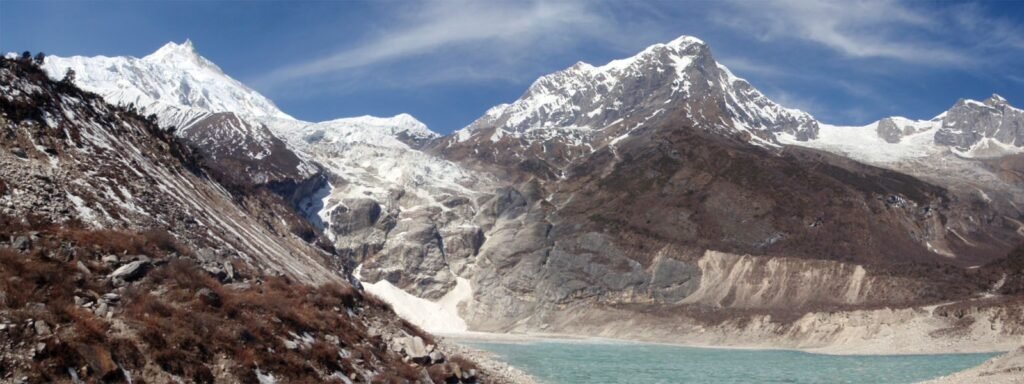
Manaslu Expedition – 8,163m Himalayan Climbing Adventure in Nepal.
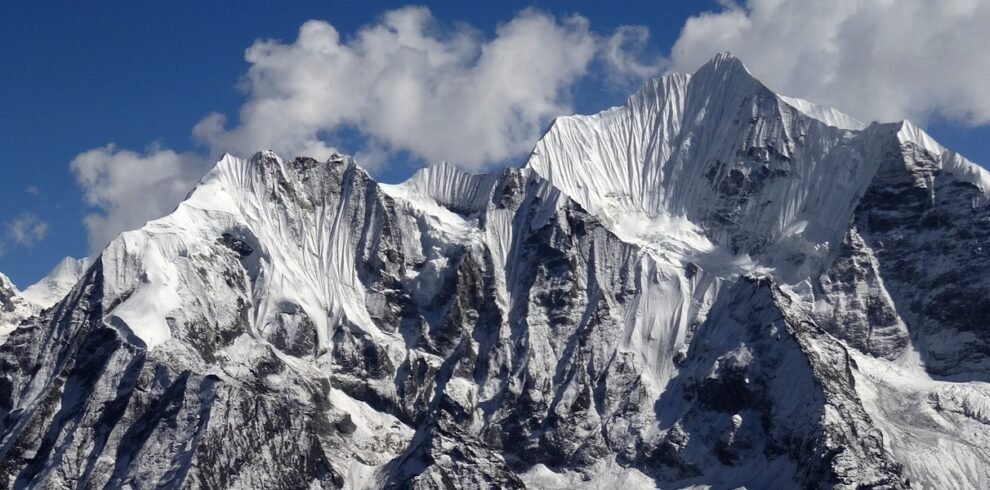
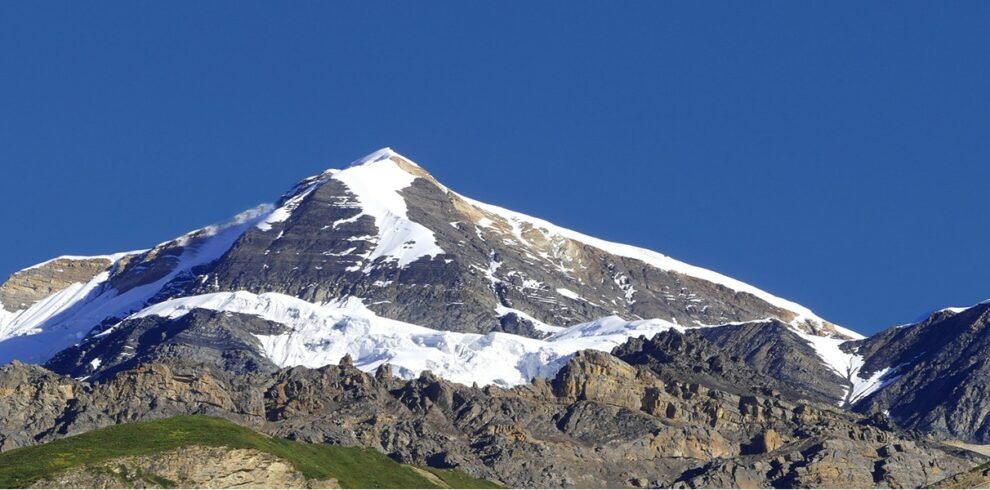
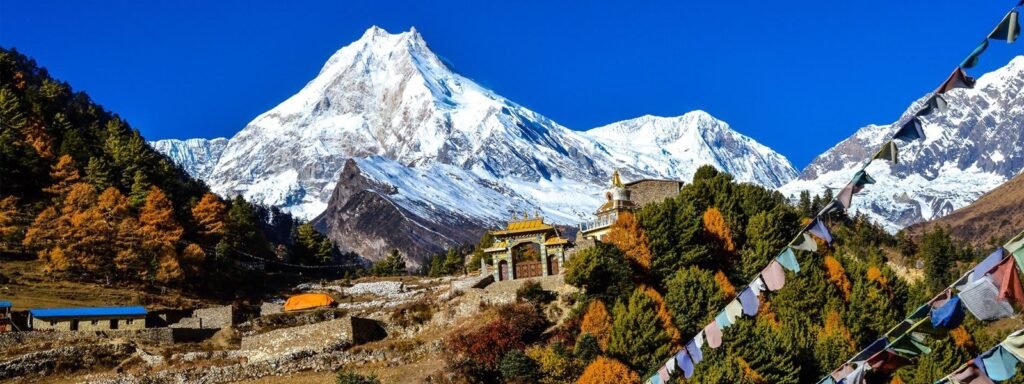
Manaslu, the world’s 8th highest mountain at 8,163 meters above sea level, is located in the Mansiri Himal range of Nepal’s Gorkha District. Often called the “Mountain of the Spirit,” it is known as Mt. Kutung in Tibet and lies approximately 64 km east of Mount Annapurna. The first successful ascent was achieved on 9th May 1956 by mountaineers Toshio Imanishi and Gyalzen Norbu.
Although several teams attempted the peak earlier, Manaslu was officially opened to climbers only in 1991. Since H.W. Tilman’s pioneering expedition, it has gained popularity among experienced trekkers. However, due to its remote location, the region remains isolated, and rescue operations are particularly challenging. Only well-prepared trekking groups are recommended for this route.
Manaslu is considered more technically demanding than peaks like Cho Oyu or Shishapangma. The base camp, situated at 4,700 meters, is the starting point for ascents. The mountain’s long ridges allow climbers to approach the summit from multiple directions; the south route is particularly tough, while the northeast face route remains the most commonly used.
Trip Info
-
Hotel/Tea house/Camping
-
Autumn - Spring
-
Fly/ Car/ Jeep/ Tourist bus
-
8163m
Overview
Standing at 8,163 meters (26,781 feet), Manaslu is the world’s eighth-highest mountain and one of the legendary “8000ers”—the fourteen peaks that rise above 8,000 meters.
Located in Nepal’s Gorkha District, Manaslu is part of the Mansiri Himal range. Its name comes from the Sanskrit word “Manasa,” meaning “intellect” or “soul,” reflecting the mountain’s awe-inspiring and spiritual presence.
The summit was first reached on May 9, 1956, by Toshio Imanishi and Gyalzen Norbu of a Japanese expedition. Today, Manaslu attracts climbers seeking a challenging yet less crowded alternative to Mount Everest, offering a truly rewarding high-altitude adventure.
Trip Highlights
- Stand atop the eighth highest peak in the world – Manaslu (8156 m).
- Hike through a variety of landscapes – from subtropical jungle to the rugged high alpine environment.
- Few other trekkers from the moment you arrive in Soti Khola until the moment you leave.
- Observe the plentiful wildlife in the area – including the Himalayan Black Bear and Musk Deer.
- The lasting feeling of accomplishment of climbing a famous Himalayan peak.
Itinerary
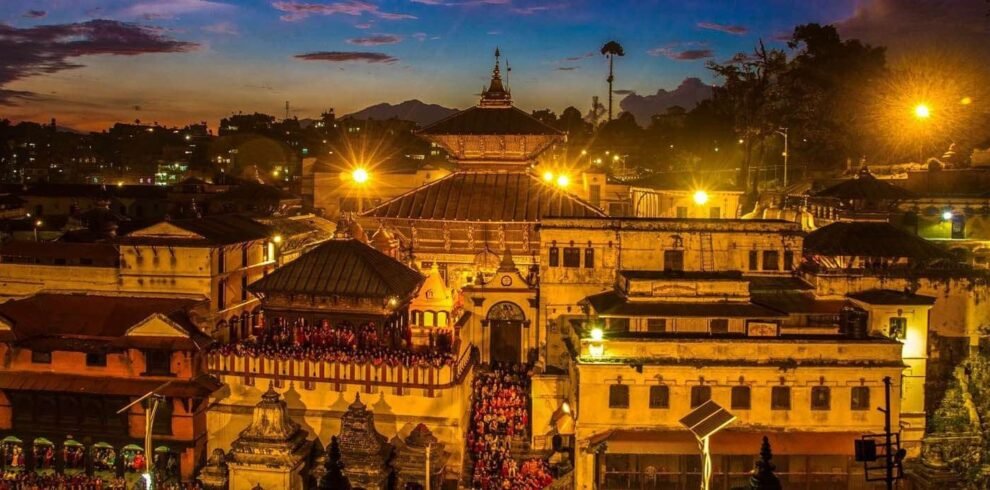
Upon arrival at Kathmandu International Airport, you will be warmly welcomed and transferred to your hotel. Take the day to rest, recover from your journey, and acclimatize to the altitude while enjoying the vibrant atmosphere of Nepal’s capital city.
Today is a rest and preparation day in Kathmandu. You will attend a detailed expedition briefing, where your guide will cover the route, safety protocols, and essential tips for the Manaslu climb. Use the day to organize your gear, check equipment, and finalize any last-minute arrangements before the adventure begins.
After breakfast, begin a scenic drive from Kathmandu to Besisahar, the gateway to the Manaslu region. The journey passes through picturesque valleys, terraced fields, and charming villages, offering a glimpse of rural Nepalese life. Upon arrival in Besisahar at 760 meters, check into your hotel and rest for the night in preparation for the trek ahead.
After an early breakfast, embark on a scenic drive from Besisahar to Dharapani, passing through lush forests, terraced farmland, and traditional villages. The journey offers stunning views of the Marsyangdi River and surrounding hills. Upon arrival in Dharapani (1,860 m), settle into your teahouse or lodge and rest for the night to prepare for the trek ahead.
Begin your trek after breakfast, following a well-marked trail through rhododendron forests, charming villages, and terraced fields. Enjoy panoramic views of the surrounding hills as you gradually gain altitude. Today’s trek concludes at Gowa (2,530 m), where you’ll stay overnight in a teahouse, resting and acclimatizing for the days ahead.
After breakfast, continue your trek through the remote and scenic Manaslu region, passing through dense forests, traditional villages, and suspension bridges. The trail gradually climbs, offering breathtaking views of snow-capped peaks and high-altitude landscapes. Arrive at Bhimthang (3,720 m), a serene plateau and ideal spot for acclimatization. Settle into your teahouse and rest for the night, preparing for higher altitudes ahead.
Today is a rest and acclimatization day at Bhimthang (3,720 m). Use this time to relax, explore the surrounding area, and enjoy the stunning mountain views. You may also take a short acclimatization hike nearby to help your body adjust to the altitude, ensuring you are well-prepared for the challenging sections ahead.
After an early breakfast, begin your challenging ascent toward Larkya La Pass, one of the highest points of the trek at 5,160 m. The route takes you through rugged landscapes, glacial streams, and dramatic high-altitude terrain, offering spectacular panoramic views of the Himalayas. After crossing the pass, descend carefully to Samdo (3,872 m), a remote village where you’ll stay overnight and rest for the next stage of your expedition.
After breakfast, continue trekking beyond Samdo, gradually ascending toward the high-altitude alpine zone. The trail offers stunning views of glaciers, rugged peaks, and the surrounding Himalayan panorama. Arrive at Dharamsala (4,460 m) / Larkya Phedi, a high-altitude settlement that serves as a rest and acclimatization point before your final push toward the pass. Spend the night in a teahouse, resting and preparing for the crossing of Larkya La Pass.
After breakfast, continue your trek from Sama Gaun, following trails through stunning alpine landscapes, moraine fields, and glacial streams. The terrain gradually climbs, offering breathtaking views of Manaslu and surrounding peaks. Arrive at Manaslu Base Camp (4,700 m), the starting point for summit attempts. Settle into your teahouse or tent, rest, and prepare your gear for the challenging climbs ahead.
During these days, climbers will undertake repeated acclimatization rotations from Manaslu Base Camp (4,700 m) to Camp I, Camp II, and touching Camp III, then return to Base Camp each time. These rotations are essential for gradually preparing the body for extreme altitude and improving stamina and technical readiness for the summit attempt.
The trail passes through glacial terrain, steep ridges, and high-altitude landscapes, offering spectacular views of Manaslu and surrounding peaks. Each day, climbers will gain experience on the climbing route, practice rope techniques, and adapt to high-altitude conditions. Meals are provided Full Board, and nights are spent at Base Camp to ensure proper rest and recovery.
These days are dedicated to the summit push and recovery at Base Camp. Starting from Manaslu Base Camp (4,700 m), climbers make a carefully planned ascent through steep snow slopes, ridges, and technical high-altitude terrain to reach the summit of Manaslu (8,163 m). The climb offers stunning panoramic views of the Himalayas, marking the pinnacle of the expedition.
After reaching the summit, climbers descend safely back to Base Camp, where they rest, recover, and celebrate the achievement. Weather, pacing, and acclimatization are critical during this period to ensure a safe and successful ascent. These days also allow for final rotations, preparation, and rest, ensuring climbers are fully ready for both the summit attempt and the journey back down. Meals are provided Full Board at Base Camp throughout this period.
After completing the summit push, begin your descent from Manaslu Base Camp back to Sama Gaun (3,541 m). The trail passes through glacial moraines, high-altitude meadows, and scenic Himalayan landscapes, allowing you to relax and reflect on the achievement of reaching the summit. Upon arrival in Sama Gaun, settle into your teahouse or lodge and rest for the night, preparing for the next stage of the trek.
After breakfast, continue your descent through the beautiful Manaslu region, passing terraced fields, traditional villages, and dense forests. Enjoy scenic views of the surrounding peaks and local culture along the way. Arrive at Namrung (2,670 m), a charming village where you’ll stay overnight in a teahouse, resting and preparing for the next stage of your trek.
After breakfast, continue your descent through the picturesque Manaslu region, passing lush forests, terraced farmland, and traditional villages. The trail offers stunning views of the Marsyangdi River valley and surrounding hills. Arrive at Philim (1,606 m), a peaceful village where you’ll rest overnight in a teahouse, soaking in the serene Himalayan environment.
After breakfast, continue your descent along the Marsyangdi River valley, passing through lush forests, charming villages, and terraced farmland. The trail gradually descends to Machha Khola (883 m), where you’ll stay overnight in a teahouse. Meals for the day are provided Breakfast, Lunch, and Dinner (B/L/D). Enjoy the evening resting and reflecting on your incredible journey through the Manaslu region.
After breakfast, begin the drive from Machha Khola back to Kathmandu, enjoying scenic views of the Marsyangdi River valley and surrounding hills along the way. Upon arrival in Kathmandu, you will be transferred to your hotel for check-in. Spend the evening relaxing, freshening up, and celebrating the completion of your Manaslu expedition. Meals for the day are provided Breakfast and Lunch (B/L).
Today is a relaxing leisure day in Kathmandu. Enjoy a leisurely breakfast at your hotel and spend the day exploring the city at your own pace, shopping for souvenirs, or simply resting after your challenging expedition. This day gives you the chance to soak in the culture and charm of Nepal’s capital before your onward journey or departure.
After breakfast at the hotel, you will be transferred to Kathmandu International Airport for your final departure. Take with you the memories of an unforgettable Manaslu expedition and the breathtaking landscapes of the Nepalese Himalayas.
Includes/Excludes
Cost Includes
- Arrival & Departure: Airport Transfer-Airport/Hotel/Airport.
- Accommodation: 2 nights at a 4* 3,Hotel in Kathmandu on bed & breakfast Basis-Double Room.
- Member's transportation: Kathmandu-Samagaun-Kathmandu.
- Transportation: All required equipment Transportation for all Members and Staffs from Kathmandu-Samagaun–Basecamp (by Porters)- Samagaun (by porters)- Kathmandu.
- Permits: Manaslu permit, National park & TIMS permit.
- Food & Lodging: 3 meals a day while Trekking & at Basecamp for members & Staffs.
- Dinner: 1 Farewell Dinner at a tourist-standard restaurant in Kathmandu with Nepalese Staff
- Oxygen: 2 oxygen bottles for each member and 1 oxygen bottle for each high-altitude Sherpa.
- Mask & Regulator: 1 Set of top Out mask for each member and high-altitude Sherpa.
- High Altitude Climbing Sherpa:1 Climbing Sherpa per member.
Cost Excludes
- International airfare to and from Kathmandu.
- Nepalese Visa Charges
- Lunch & Dinner in Kathmandu
- Extra night in Kathmandu: Extra nights’ accommodation in Kathmandu. In case of early arrival or late departure, early return from the expedition (due to any reason) than the scheduled itinerary.
- Insurance: Travel and High-Altitude Insurance / Accident / Medical / emergency evacuation
- Personal Expenses: Telephone, Internet, Laundry, any Alcoholic beverages, Personal equipment, and shopping
- Sherpa summit Bonus: Mandatory – Minimum USD 1,400.
- Tips: Please calculate some tips for Basecamp staffs and porters
- The full set of Member's personal climbing equipment & clothing
- Rescue Evacuation: Emergency rescue evacuation cost, if needed, and all other expenses of personal nature.
- Any other item not listed in the "Price Includes" section.
FAQs
The Manaslu Expedition is a high-altitude mountaineering expedition to the summit of Mount Manaslu (8,163m/26,781ft) in Nepal. Manaslu is the eighth-highest mountain in the world and is located in the Mansiri Himal range of the Nepal Himalayas.
Mount Manaslu stands at 8,163 meters (26,781 feet) above sea level. It is the eighth-highest mountain on Earth and one of Nepal's major 8,000-meter climbing objectives.
The Manaslu Expedition is technically and physically demanding. Climbers face extreme altitude, cold, variable weather, steep snow and ice terrain, crevasses, avalanche hazards, fixed-rope sections, and the physiological effects of climbing above 8,000m. Previous high-altitude mountaineering experience and appropriate technical training are strongly recommended.
The cost varies according to the expedition operator, duration, services, group size, permit and government fees, Sherpa support, oxygen, equipment, transportation, and other inclusions. Always compare the exact inclusions and exclusions rather than choosing an expedition solely by advertised price.
A complete Manaslu Expedition commonly takes several weeks, because climbers need time for trekking to base camp, acclimatization rotations, establishing higher camps, weather delays, and the final summit attempt. The exact duration depends on the itinerary and expedition strategy.
Autumn, particularly September and October, is the principal climbing season for Manaslu. Spring can also be used for high-altitude expeditions, but weather and route conditions vary from year to year. The final climbing window depends on mountain conditions and expedition logistics.
Yes. Manaslu should not be treated as an ordinary trekking peak. Climbers should have substantial mountaineering experience, strong physical conditioning, and familiarity with crampons, ice axe techniques, fixed ropes, glacier travel, altitude acclimatization, and high-altitude risk management.
Climbers need the appropriate Nepal government mountaineering permit and must comply with applicable expedition regulations. The permit fee and requirements can vary by season and government policy, so the current regulations should be confirmed before booking.
Commercial expeditions generally approach Manaslu through the northeast side, traveling toward Manaslu Base Camp and then establishing progressively higher camps before the summit attempt. The exact route and camp strategy can change according to snow, ice, weather, and route conditions.
Expedition teams commonly establish a series of high camps between Base Camp and the summit, often referred to as Camp 1, Camp 2, Camp 3, and Camp 4, although the exact locations, elevations, and use of camps can change with route conditions and expedition strategy.
Yes, supplemental oxygen may be used, particularly during the highest stages of the climb, depending on the climber's strategy, expedition package, medical considerations, and operator's support system. Climbers should confirm exactly what oxygen, regulator, bottle, and Sherpa-support arrangements are included.
A professional package may include Kathmandu logistics, transportation, accommodation, expedition permits, base-camp services, meals, climbing logistics, experienced guides or Sherpa support, fixed-rope services, and expedition equipment. Inclusions vary significantly between operators, so travelers should review the detailed package before booking.
Essential equipment generally includes a mountaineering boots system, crampons, ice axe, climbing harness, helmet, ascender, carabiners, appropriate ropes and protection equipment, down clothing, expedition sleeping system, gloves, goggles, high-altitude sunglasses, technical layers, and other cold-weather equipment. A professional operator should provide a detailed gear list before departure.
Preparation should combine cardiovascular endurance, strength, muscular endurance, hiking with a loaded pack, altitude preparation, technical climbing practice, and mental resilience. Climbers should also become comfortable using crampons, ice axes, ascenders, fixed ropes, and glacier-travel techniques before attempting an 8,000-meter peak.
Major risks include extreme altitude, altitude sickness, severe cold, storms, avalanches, crevasses, falling ice or rock, exhaustion, frostbite, and rapidly changing weather. The section above 8,000m is particularly dangerous because the human body cannot acclimatize indefinitely at extreme altitude.
Acclimatization normally involves progressively ascending to higher elevations, spending appropriate time at altitude, returning to lower elevations when necessary, and using planned rotations through higher camps. The exact schedule is adjusted according to individual response, weather, route conditions, and expedition strategy.
Yes. International climbers can join professionally organized Manaslu expeditions through authorized expedition operators in Nepal, subject to Nepal's current mountaineering regulations, permit requirements, eligibility conditions, and applicable travel documentation.
There is no single reliable success rate that applies to every Manaslu Expedition. Summit success varies by season, weather, route conditions, climber experience, acclimatization, team strategy, and expedition logistics. A responsible operator should avoid guaranteeing summit success.
Manaslu offers experienced mountaineers an opportunity to climb an 8,163m Himalayan peak while developing experience with extreme altitude, glacier travel, fixed ropes, expedition logistics, and high-altitude climbing. It remains a serious 8,000-meter expedition and should be approached with appropriate preparation and respect for mountain risks.
To book a Manaslu Expedition, contact a reputable Nepal-based expedition operator and request the current itinerary, total cost, permit information, inclusions and exclusions, guide/Sherpa support, oxygen policy, acclimatization plan, insurance requirements, cancellation terms, and equipment requirements. Confirm the latest government regulations and expedition conditions before making the final payment.