Nepal Trekking

Duration 15 Days
Activity Trekking

Duration 10 Days
Activity Trekking

Duration 15 Days
Difficulty Medium
Activity Trekking

Duration 15 Days
Activity Trekking

Duration 21 Days
Activity Trekking

Duration 17 Days
Activity Trekking

Duration 15 Days
Activity Trekking

Duration 11 Days
Activity Trekking

Duration 8 Days
Activity Trekking

Duration 24 Days
Activity Trekking

Duration 12 Days
Activity Trekking

Duration 10 Days
Activity Trekking

Duration 19 Days
Activity Trekking

Duration 18 Days
Activity Trekking

Duration 15 Days
Activity Trekking

Duration 13 Days
Activity Trekking

Duration 14 Days
Activity Trekking

Duration 17 Days
Activity Trekking

Duration 12 Days
Activity Trekking

Duration 7 Days
Activity Trekking

Duration 21 Days
Activity Trekking

Discover the Himalayas with Brotherhood Adventure

Nepal trekking is one of the world’s most rewarding ways to experience the Himalayas. From legendary mountain trails and dramatic high-altitude landscapes to traditional villages, ancient monasteries and welcoming Himalayan communities, trekking in Nepal combines adventure, culture and nature in one unforgettable journey.

At Brotherhood Adventure, we design and operate carefully planned Nepal trekking experiences for travelers seeking authentic Himalayan adventures. Whether you are dreaming of standing beneath Mount Everest, crossing a challenging high mountain pass, exploring the Annapurna region or discovering quieter trails away from the crowds, our trekking programs are designed around your interests, experience and available time.

Nepal offers trekking experiences for a wide range of travelers—from relatively short and accessible Himalayan hikes to demanding high-altitude adventures. The country’s major trekking regions include Everest, Annapurna, Langtang, Manaslu, Mustang, Kanchenjunga and Dolpo.

Explore the Best Treks in Nepal

Every Himalayan region offers a different experience. Choose your trek according to scenery, altitude, difficulty, duration, cultural interests and adventure level.

Everest Region Trekking

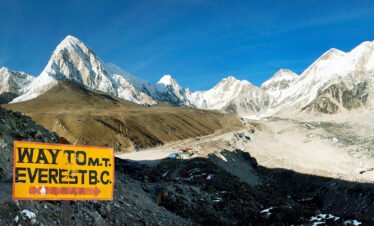
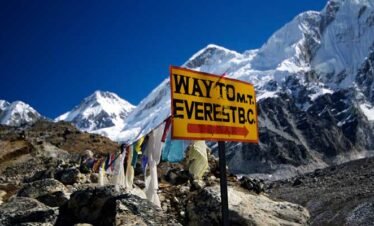
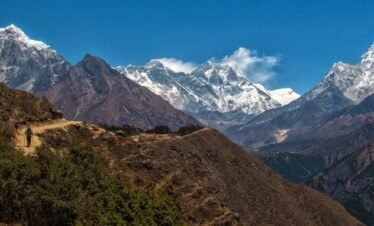
The Everest region is home to some of the world’s most iconic Himalayan landscapes. The Everest Base Camp Trek takes you through the legendary Khumbu region, Sherpa settlements, Buddhist monasteries and spectacular mountain viewpoints before reaching the base camp of Mount Everest.

For travelers looking for alternative experiences, Gokyo Valley, Everest View and Three Passes routes provide different perspectives of the world’s highest mountain region.

Annapurna Region Trekking

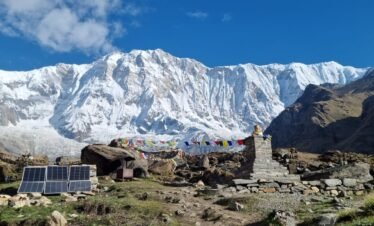
The Annapurna region offers remarkable diversity within a single trekking destination. Trails pass through subtropical valleys, traditional mountain communities, alpine landscapes and spectacular Himalayan viewpoints.

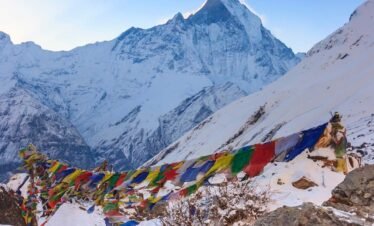
Popular adventures include the Annapurna Base Camp Trek, Annapurna Circuit Trek and shorter journeys around the Annapurna foothills.

Langtang Region Trekking

Located relatively close to Kathmandu, Langtang is an excellent choice for travellers seeking dramatic Himalayan scenery, Tamang culture, peaceful mountain villages and alpine landscapes without committing to one of Nepal’s longest trekking itineraries.

The Langtang Valley Trek can also be combined with other experiences in the region, including Gosaikunda and Helambu.

Manaslu Trekking

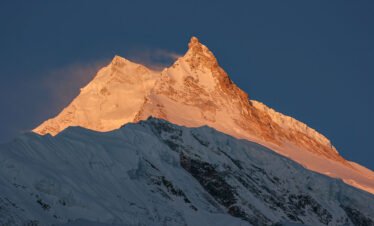
The Manaslu Circuit Trek is ideal for experienced trekkers looking for spectacular mountain scenery and a less commercialized Himalayan experience. The route combines remote villages, Tibetan-influenced culture, dramatic valleys and challenging high-altitude terrain.

Because parts of the Manaslu region fall within restricted areas, travelers need to follow Nepal’s applicable permit and trekking regulations. Current official permit requirements and fees should always be confirmed before departure.

Upper Mustang Trek

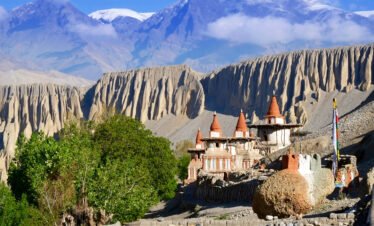
Upper Mustang offers a completely different side of Nepal. Its dry, desert-like Himalayan landscape, ancient settlements, caves, monasteries and Tibetan-influenced culture create an extraordinary trekking experience.

Upper Mustang is a restricted trekking area, so travelers need the applicable special trekking permit and must follow current government regulations.

Kanchenjunga and Remote Himalayan Treks

For travellers seeking remote wilderness and fewer crowds, the Kanchenjunga region offers an exceptional Himalayan experience. The journey reaches the eastern Himalayas and provides dramatic mountain scenery, remote settlements and rich cultural encounters.

Other remote trekking experiences can take travellers toward Dolpo and the far western Himalayas, where wilderness, high-altitude landscapes and traditional communities become central parts of the journey.

Why Trek in Nepal?

Nepal offers an extraordinary combination of Himalayan scenery, cultural diversity and accessible mountain adventure. A trek can take you from green foothills and terraced farmland to glaciers, alpine valleys and high mountain passes within the same journey.

The Nepal Tourism Board notes that many trekking routes pass through elevations between approximately 1,000 and 4,000 meters, while some popular sections rise above 5,000 meters.

Trekking in Nepal allows you to:

  • Experience breathtaking Himalayan landscapes
  • Walk beneath some of the world’s highest mountains
  • Visit traditional Himalayan villages
  • Experience Sherpa, Tamang, Gurung and other local cultures
  • Explore Buddhist monasteries and mountain communities
  • Cross dramatic mountain passes
  • Discover remote valleys and protected landscapes
  • Enjoy authentic teahouse and local hospitality
  • Challenge yourself physically and mentally
  • Create meaningful experiences beyond conventional sightseeing
Guided Nepal Trekking with Brotherhood Adventure

A successful Himalayan trek requires more than choosing a beautiful route. Proper itinerary planning, acclimatization, transportation, permits, accommodation, meals, equipment and mountain logistics all contribute to a safe and enjoyable experience.

Brotherhood Adventure provides professionally organized trekking experiences with attention to route planning, responsible travel and traveler safety.

Our trekking approach focuses on:

Experienced Local Support
Travel with people who understand Nepal’s mountains, communities, weather patterns and trekking routes.

Carefully Planned Itineraries
We develop itineraries with appropriate walking distances, elevation gains and acclimatization opportunities.

Safety and Altitude Awareness
High-altitude trekking requires thoughtful preparation and gradual acclimatization. Our itineraries are structured with the demands of the route in mind.

Permits and Trekking Documentation
We help travelers understand and arrange the permits and documentation required for their chosen route. Nepal has different requirements for protected and restricted trekking areas, so regulations should be checked for the specific itinerary.

Local Communities and Responsible Travel
We believe trekking should benefit the communities and environments through which travelers pass. Supporting local accommodation, guides, porters and businesses helps create a more meaningful and responsible travel experience.

Nepal Trekking for Different Experience Levels

Not every trekker wants the same Himalayan adventure. Some travelers prefer short scenic journeys, while others want challenging passes and remote mountain environments.

Beginner-Friendly Treks

Travelers with limited high-altitude trekking experience can consider shorter and lower-altitude routes where the physical demands are more manageable.

Moderate Treks

Moderate Himalayan treks provide a balance between adventure, scenery, cultural experiences and physical challenge.

Challenging Treks

Experienced trekkers can choose longer and more demanding routes involving high passes, remote valleys and extended periods at altitude.

The right trek depends on your fitness, previous experience, available time and comfort with altitude. We can help you select a route that matches your goals rather than simply choosing the most famous trek.

Trekking Permits and Regulations in Nepal

Trekking regulations vary according to the route and protected area. Trekkers may need national park or conservation-area entry permits, TIMS documentation and, for restricted areas, special trekking permits.

Nepal Tourism Board guidance states that trekkers need applicable permits for protected areas and special permits for government-designated restricted areas.

Current TIMS requirements also identify numerous routes where trekkers must be accompanied by a licensed trekking guide and carry a trekking-agency-issued TIMS card, including several routes in the Everest, Kanchenjunga, Makalu, Rolwaling, Helambu and other regions.

Because regulations and fees can change, travelers should verify the latest requirements before starting their trek.

Best Time for Trekking in Nepal

The ideal trekking season depends on the destination and altitude.

Spring — March to May
Spring brings warmer temperatures, blooming rhododendrons and generally favorable conditions on many Himalayan trails.

Autumn — September to November
Autumn is traditionally one of the most popular trekking periods because of favorable weather, good visibility and excellent mountain views.

Winter — December to February
Lower-altitude treks can remain attractive during winter, although high passes and high-altitude routes may experience freezing temperatures and difficult conditions.

Monsoon — June to August
Rain affects many trekking regions, particularly on the southern slopes. However, rain-shadow destinations such as parts of Mustang and Dolpo can offer alternative trekking opportunities depending on current trail and weather conditions.

The best departure period should always be selected according to the specific route rather than applying one season to every trekking destination.

What Is Included in a Nepal Trek?

The exact inclusions depend on the itinerary, but a professionally organized trekking package may include:

  • Airport or trailhead transportation
  • Accommodation during the trek
  • Meals according to the selected package
  • Experienced trekking guide
  • Porter support where included
  • Required trekking permits
  • TIMS or applicable trekking documentation
  • Conservation-area or national-park entry fees
  • Accommodation in Kathmandu where specified
  • Trekking equipment where included
  • First-aid and basic safety support
  • Pre-trek briefing and itinerary assistance

Always check the individual trek’s inclusion and exclusion list before booking.

Prepare for Your Nepal Trek

Good preparation makes a significant difference in the Himalayas. Before departure, consider your fitness level, footwear, clothing, backpack, hydration system, sun protection and personal medication.

For higher-altitude journeys, preparation should also include understanding acclimatization, recognizing symptoms of altitude illness and following the advice of your trekking guide. Your equipment should match the season, altitude and difficulty of your selected trek.

Why Choose Brotherhood Adventure?

Choosing the right trekking company can make your Himalayan journey easier, safer and more enjoyable. Brotherhood Adventure combines local Himalayan knowledge with personalized trekking services to create experiences designed around individual travelers and groups.

We aim to provide:

  • Authentic Nepal trekking experiences
  • Professional local guides
  • Carefully designed trekking itineraries
  • Transparent trip planning
  • Personalized trekking options
  • Responsible and community-focused travel
  • Support with permits and logistics
  • Safety-conscious mountain planning
  • Flexible private and group trekking options

Our goal is not simply to take travellers to a destination. We want every trek to become a meaningful journey through Nepal’s mountains, communities and cultures.

Plan Your Nepal Trekking Adventure

Whether your dream is to reach Everest Base Camp, explore the Annapurna Himalayas, walk through Langtang Valley, cross a high mountain pass, discover Upper Mustang or experience the remote landscapes of Kanchenjunga and Dolpo, Nepal has a trekking adventure for you.

Tell us your preferred travel dates, trekking experience, fitness level, available days and the type of Himalayan experience you want. Brotherhood Adventure can help you identify the right route and build a practical itinerary around your goals.

Your Himalayan adventure starts with the right trek. Explore Nepal with Brotherhood Adventure.

What is the best trek in Nepal?

There is no single best trek for everyone. Everest Base Camp, Annapurna Base Camp, Annapurna Circuit, Langtang Valley, Manaslu Circuit, Upper Mustang, Gokyo and Kanchenjunga are among the major trekking experiences, with the best choice depending on your fitness, time, altitude tolerance and interests.

How much does trekking in Nepal cost?

The cost depends on the route, duration, permits, transportation, accommodation, guide and porter services. Remote and restricted-area treks generally require more logistics and permits than shorter popular routes

How difficult is trekking in Nepal?

Difficulty ranges from relatively accessible short hikes to demanding high-altitude expeditions. Route length, elevation gain, high passes, weather and acclimatization requirements all affect difficulty.

Do I need a guide for trekking in Nepal?

Guide requirements depend on the route and current regulations. Nepal Tourism Board’s current TIMS information identifies multiple trekking routes where a licensed guide and agency-issued TIMS card are required.

What are the best months for trekking in Nepal?

Spring and autumn are generally the most popular trekking seasons, but the best time varies by route and altitude. Rain-shadow regions can provide different opportunities during the monsoon period.

Is trekking in Nepal safe?

Trekking can be undertaken safely with appropriate preparation, a suitable itinerary, proper acclimatization, reliable mountain support and attention to weather and altitude conditions. High-altitude trekking should never be treated as ordinary hiking.

Can I customize a Nepal trekking itinerary?

Yes. A trekking itinerary can often be adjusted according to your available time, fitness, experience, preferred region and travel style. Private and customized trekking programs can be particularly useful for travelers who want a specific route or pace.

Affiliations
We Accept
Contact Us
Scroll to Top