
Peak Climbing in Nepal
Himalayan Climbing Adventures
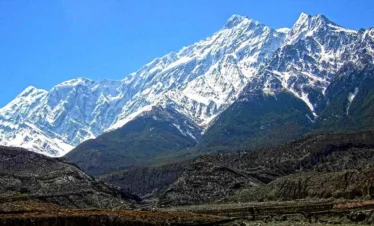
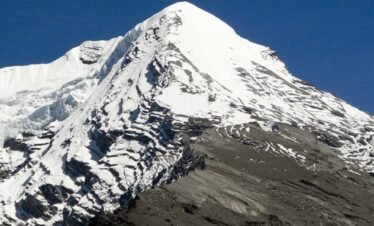
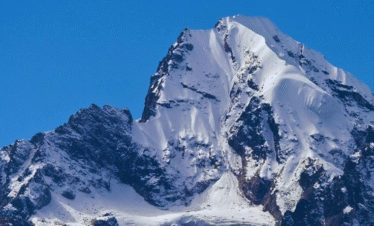
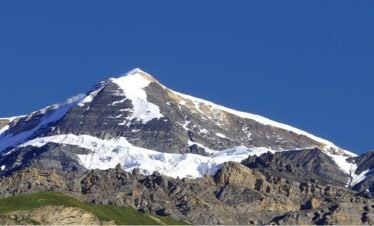
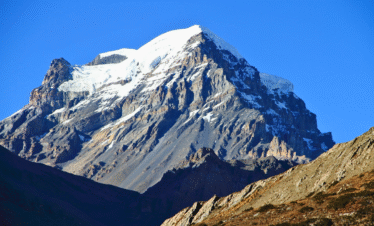
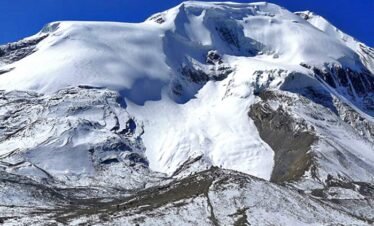
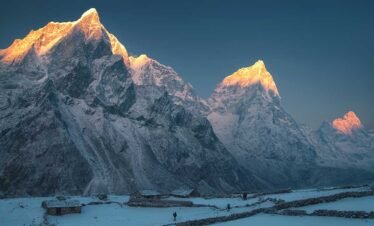
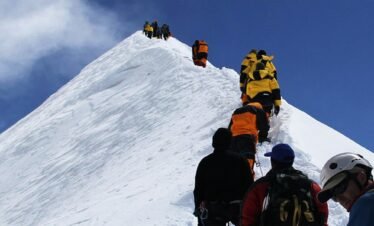
Nepal peak climbing offers an exciting way to experience the Himalayas beyond traditional trekking. From glacier crossings and steep snow slopes to high-altitude summit attempts, Nepal provides a remarkable range of climbing opportunities for adventure seekers, experienced trekkers, and aspiring mountaineers.
At Brotherhood Adventure, we organise professionally guided peak climbing expeditions in Nepal with careful attention to route planning, acclimatization, safety, permits, logistics, and local mountain expertise. Whether you are preparing for your first Himalayan climbing experience or looking for a more demanding summit, we can help you choose an itinerary that matches your experience, fitness, timeframe, and objectives.
Nepal is home to some of the world’s most renowned climbing destinations, including Mera Peak, Island Peak, Lobuche Peak, Pisang Peak, Chulu East, Chulu West, Yala Peak, and other Himalayan trekking peaks. The right peak depends on your technical ability, previous high-altitude experience, preferred region, and the type of climbing experience you want.
Why Choose Peak Climbing in Nepal?
Peak climbing in Nepal combines trekking through spectacular Himalayan landscapes with the challenge of reaching a mountain summit. A typical expedition can include remote mountain trails, traditional villages, high-altitude valleys, glaciers, snow-covered passes, and panoramic views of some of the world’s highest mountains.
Nepal’s official tourism authority recognises trekking peaks as a distinct category of climbing mountains. Despite the term “trekking peak,” these climbs require appropriate equipment, preparation, and climbing skills and should not be treated as ordinary trekking.
A guided Nepal peak climbing expedition can provide:
- Experienced local climbing guides and mountain staff
- Professional itinerary and route planning
- Acclimatization days designed around altitude gain
- Climbing equipment and logistics according to the selected peak
- Required climbing and trekking permits
- Accommodation and meals according to the itinerary
- High-altitude safety planning
- Emergency and contingency planning
- Local knowledge of Himalayan terrain and weather
- Responsible and environmentally conscious mountain travel
Popular Peak Climbing in Nepal
Mera Peak Climbing
Mera Peak (6,476 m) is one of Nepal’s best-known trekking peaks and is a popular choice for climbers seeking a challenging Himalayan summit experience. The route takes you through the remote Hinku Valley and provides exceptional views of several major Himalayan peaks.
Mera Peak is particularly attractive to trekkers who want to progress from high-altitude trekking toward Himalayan climbing. Although often considered one of Nepal’s more accessible climbing peaks, successful ascent still requires appropriate physical preparation, acclimatization, equipment, and competent guidance.
Island Peak Climbing
Island Peak, also known as Imja Tse (6,189 m), is one of Nepal’s most popular trekking peaks. Located in the Everest region, the climb can be combined with the classic Everest Base Camp trekking route or incorporated into a dedicated climbing itinerary.
The expedition combines Himalayan trekking with glacier travel, snow climbing, fixed-line sections, and a summit ascent. Island Peak is therefore an excellent option for adventure travelers who want to develop practical mountaineering skills in a spectacular Everest-region environment.
Lobuche Peak Climbing
Lobuche Peak offers a demanding Himalayan climbing experience in the Everest region. Its location near the Everest Base Camp trekking corridor makes it possible to combine a summit attempt with the famous Khumbu trekking experience.
Lobuche Peak is more technically demanding than a conventional trekking route, making suitable preparation and previous high-altitude experience particularly valuable.
Other Nepal Peak Climbing Options
Depending on your experience and objectives, other climbing possibilities may include:
- Yala Peak
- Pisang Peak
- Chulu East Peak
- Chulu West Peak
- Pharchamo Peak
- Ramdung Peak
- Naya Kanga
- Singu Chuli
- Other officially open climbing peaks in Nepal
The availability, permit requirements, route conditions, and regulations can vary by mountain and season. We recommend confirming the current requirements before departure.
Nepal Peak Climbing Grades and Difficulty
Peak climbing difficulty varies considerably from one mountain to another. Altitude alone does not determine the difficulty of a climb.
Important factors include:
- Summit elevation
- Technical climbing sections
- Glacier crossings
- Snow and ice conditions
- Rock sections
- Length of summit day
- Weather conditions
- Acclimatization requirements
- Route conditions
- Previous climbing experience
Some peaks are suitable for experienced trekkers developing basic mountaineering skills, while others require stronger technical ability and previous alpine climbing experience.
Before booking, climbers should honestly assess their physical fitness, previous trekking experience, technical skills, and ability to operate safely in a high-altitude environment.
Peak Climbing Permits in Nepal
Climbing permits in Nepal depend on the mountain and its classification. Nepal Tourism Board guidance states that permits for larger mountains are handled by the Government’s tourism authorities, while the Nepal Mountaineering Association handles permits for designated trekking peaks.
In addition to climbing permits, climbers may need other regional, conservation-area, national-park, trekking, or entry permits depending on the route.
Permit fees and regulations can change, so current requirements should always be verified before the expedition. Brotherhood Adventure can assist with the required permit and expedition formalities for your selected peak.
Best Time for Peak Climbing in Nepal
The best climbing season depends on the mountain, route, altitude, and current weather conditions.
Generally, spring (March–May) and autumn (September–November) are the principal periods for Himalayan climbing because weather and visibility are often more favorable. Nepal officially recognizes four climbing seasons, although the practical suitability of each season varies between peaks.
Spring Peak Climbing
March to May is a popular period for Himalayan climbing. Climbers can experience comparatively favorable mountain conditions, longer daylight hours, and excellent views, although conditions can change rapidly at high altitude.
Autumn Peak Climbing
September to November generally offers stable post-monsoon conditions and clear mountain views. Autumn is one of the most popular periods for trekking and climbing in Nepal.
Winter and Monsoon Climbing
Winter brings significantly colder conditions and shorter daylight hours at high elevations. The monsoon season can create rain, cloud, snow, wet trails, and changing mountain conditions depending on the region.
For this reason, the ideal departure period should be selected according to the specific peak rather than relying only on a general seasonal recommendation.
Peak Climbing Safety in Nepal
Mountain safety is our highest priority.
High-altitude climbing involves inherent risks, including rapidly changing weather, cold exposure, altitude illness, falls, avalanches, rockfall, glacier hazards, and route changes. Professional planning and experienced mountain leadership are therefore essential.
Our approach focuses on:
Safety → Acclimatization → Preparation → Experienced Leadership → Responsible Climbing
Mountain conditions can change quickly, and summit success is never guaranteed. A responsible expedition leader may modify the itinerary or turn around when weather, route conditions, health, or safety make continuing inappropriate.
What Is Included in a Peak Climbing Expedition?
The exact inclusions depend on the mountain and itinerary. A typical guided peak climbing package may include:
- Airport transfers
- Kathmandu accommodation according to the package
- Domestic transportation or flights where applicable
- Trekking accommodation
- Meals during the trekking and climbing period
- Experienced climbing guide
- Porters and support staff where required
- Climbing and trekking permits
- National park or conservation-area fees where applicable
- Climbing logistics
- Camping equipment where required
- Group climbing equipment
- Expedition planning and coordination
- Emergency and contingency support
The final package should always be checked against the specific peak and itinerary because requirements differ between mountains.
Who Can Join Nepal Peak Climbing?
Peak climbing is not limited to professional mountaineers, but suitability depends on the selected mountain.
A climber should generally have:
- Good physical fitness
- Strong trekking endurance
- Commitment to acclimatization
- Ability to walk for several hours at altitude
- Appropriate clothing and equipment
- Mental resilience
- Willingness to follow mountain safety instructions
Previous climbing experience may be required or strongly recommended for technically demanding peaks.
If you are new to mountaineering, we can help identify a suitable peak and explain the preparation and technical training required before departure.
Why Climb with Brotherhood Adventure?
At Brotherhood Adventure, we believe a successful Himalayan expedition is about more than reaching the summit. It is about responsible preparation, experienced leadership, authentic local interaction, environmental awareness, and returning safely.
Our local team understands Nepal’s mountain environment and works to provide practical support throughout the journey—from itinerary planning and permits to trekking logistics, acclimatization, climbing preparation, and summit-day coordination.
We focus on creating climbing experiences that are professional, transparent, responsible, and tailored to each climber’s goals.
Plan Your Nepal Peak Climbing Adventure
Ready to experience the Himalayas from a different perspective? Whether you are interested in Mera Peak climbing, Island Peak climbing, Lobuche Peak climbing, or another Nepal trekking peak, Brotherhood Adventure can help you plan a suitable expedition based on your experience, fitness, available time, and climbing objectives.
Contact us to discuss your preferred mountain, travel dates, group size, experience level, and preparation requirements.
Choose your peak. Prepare with confidence. Climb responsibly. Experience the Himalayas with Brotherhood Adventure.
Affiliations



We Accept


Contact Us
- +977 986-0447967
- sherpachewa2018@gmail.com
- info@brotherhoodadventure.com
- Kathmandu, Nepal