
8000m Expeditions in Nepal
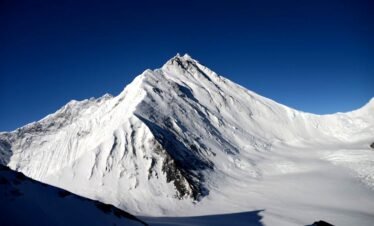
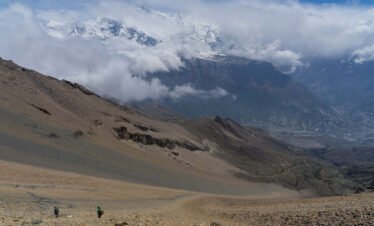
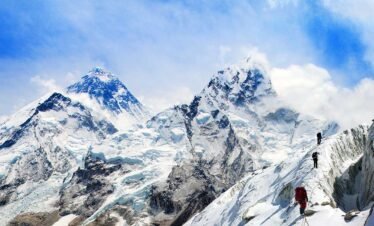
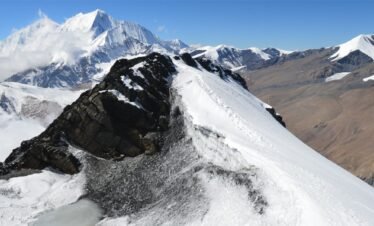
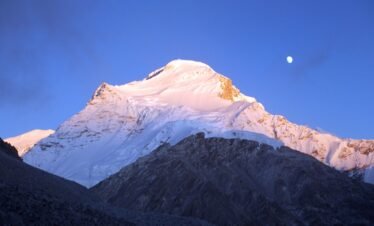
Climb the World’s Highest Mountains with Brotherhood Adventure
An 8000m expedition is the ultimate challenge in high-altitude mountaineering. Rising above 8,000 meters (26,247 feet), the world’s highest peaks demand exceptional physical preparation, technical climbing ability, high-altitude experience, careful acclimatization, and professional expedition logistics.
Nepal is home to eight of the world’s historically recognized 14 eight-thousanders, including Mount Everest, Kanchenjunga, Lhotse, Makalu, Cho Oyu, Dhaulagiri, Manaslu, and Annapurna I. These legendary Himalayan mountains offer some of the most demanding and rewarding expedition opportunities on Earth.
At Brotherhood Adventure, we organize high-altitude Himalayan expeditions with a strong focus on safety, experienced mountain support, acclimatization, logistics, responsible tourism, and carefully planned summit strategies.
Whether your ambition is to stand on the summit of Everest or take on another legendary eight-thousander, our expedition team helps you prepare for one of mountaineering’s greatest challenges.
Explore 8000m Expeditions in Nepal
Our 8000m expedition programs include some of the world’s most iconic Himalayan peaks:
Mount Everest Expedition – 8,848.86m
The Everest Expedition takes climbers to the highest point on Earth. The South Col route through Nepal is the world’s most famous high-altitude expedition and involves extensive acclimatization, multiple rotations through the Khumbu Icefall and higher camps, and a carefully planned summit push.
Lhotse Expedition – 8,516m
Lhotse, the world’s fourth-highest mountain, rises directly beside Everest. Its dramatic high-altitude terrain and steep sections make the Lhotse Expedition a serious undertaking for experienced mountaineers seeking a demanding Himalayan challenge.
Manaslu Expedition – 8,163m
Known as the eighth-highest mountain in the world, Manaslu is one of Nepal’s major 8000m expedition objectives. Its combination of high altitude, glacier travel, steep terrain and changing mountain conditions requires strong preparation and disciplined acclimatisation.
Makalu Expedition – 8,485m
The Makalu Expedition leads into the remote Makalu-Barun region and toward the summit of the world’s fifth-highest mountain. Makalu is renowned for its steep ridges, technical climbing sections and demanding high-altitude environment.
Kanchenjunga Expedition – 8,586m
The Kanchenjunga Expedition provides access to the world’s third-highest mountain in the remote eastern Himalayas. Its isolation, extreme altitude and challenging mountain environment make it an expedition for highly prepared climbers.
Dhaulagiri Expedition – 8,167m
Dhaulagiri I is the world’s seventh-highest mountain. The Dhaulagiri Expedition combines remote Himalayan travel with serious glacier and high-altitude mountaineering, making it one of Nepal’s most challenging expedition objectives.
Annapurna I Expedition – 8,091m
The Annapurna Expedition targets Annapurna I, the world’s tenth-highest mountain. Its complex terrain, high-altitude conditions and objective hazards demand excellent preparation, experienced leadership and careful decision-making.
Cho Oyu Expedition – 8,188m
Cho Oyu is traditionally recognized as the world’s sixth-highest mountain. The Cho Oyu Expedition is a major eight-thousander objective requiring strong high-altitude experience, technical competence and comprehensive expedition planning.
What Is an 8000m Expedition?
An 8000m expedition is a mountaineering expedition to a mountain exceeding 8,000 meters above sea level. These mountains are commonly known as the eight-thousanders.
The UIAA recognizes the classic group of 14 eight-thousanders: Everest, K2, Kangchenjunga, Lhotse, Makalu, Cho Oyu, Dhaulagiri I, Manaslu, Nanga Parbat, Annapurna I, Gasherbrum I, Broad Peak, Gasherbrum II and Shishapangma.
At these elevations, climbers operate in an extreme environment where oxygen availability is significantly reduced and weather, cold, altitude, steep terrain, avalanches, crevasses and other objective hazards can become serious factors.
An 8000m expedition is therefore much more than reaching a summit. It requires months or years of preparation, appropriate equipment, acclimatisation, experienced support and the ability to make conservative decisions in rapidly changing mountain conditions.
Why Choose an 8000m Expedition in Nepal?
Nepal is one of the world’s premier destinations for high-altitude mountaineering. Eight of the historically recognised 14 eight-thousanders are located in Nepal or along its borders, creating an extraordinary concentration of the world’s highest mountains.
World-Class Himalayan Mountains
Nepal provides access to some of the most famous 8000m peaks on the planet, including Everest, Kanchenjunga, Lhotse, Makalu, Cho Oyu, Dhaulagiri, Manaslu and Annapurna.
Experienced Mountain Support
A successful expedition depends on strong logistical coordination and experienced high-altitude personnel. Our expedition planning focuses on organized base camp operations, climbing logistics, acclimatization schedules and mountain safety.
Professional Expedition Planning
Every 8000m expedition requires detailed preparation. We coordinate essential arrangements including permits, transportation, accommodation, trekking logistics, expedition equipment and high-altitude support according to the selected mountain and itinerary.
Safety-Focused Approach
At extreme altitude, the ability to turn around can be as important as the ability to climb. Our expedition philosophy emphasizes acclimatization, weather awareness, communication, experienced leadership and responsible summit decisions.
What Is Included in an 8000m Expedition?
Exact inclusions vary according to the mountain and expedition program. Depending on the selected expedition, services may include:
- Expedition permit and required documentation
- Airport and ground transportation
- Kathmandu accommodation
- Domestic flights where required
- Trekking and expedition logistics
- Base camp services
- High-altitude Sherpa support
- Camp management
- Food and accommodation during the expedition
- Group climbing equipment and logistics
- Fixed-rope and route-support arrangements where applicable
- Expedition staff
- Government-required liaison and operational arrangements
- Emergency coordination and communication support
The exact package, inclusions, exclusions and additional costs should always be confirmed for the selected mountain before booking.
Best Time for an 8000m Expedition in Nepal
The ideal climbing period depends on the mountain, route and expedition strategy.
For many major Nepalese Himalayan expeditions, the principal climbing seasons are associated with stable pre-monsoon or post-monsoon conditions. However, each mountain has its own weather patterns, route conditions and logistical considerations.
The expedition schedule should therefore be selected according to the specific peak rather than applying one season to every 8000m mountain.
Why Climb an 8000m Peak with Brotherhood Adventure?
Brotherhood Adventure combines Himalayan experience with structured expedition planning to help experienced mountaineers undertake ambitious high-altitude objectives.
We focus on:
- Professional expedition coordination
- Experienced Himalayan support
- Detailed itinerary planning
- Safety-conscious acclimatization
- Reliable logistical management
- Transparent communication
- Local knowledge
- Responsible mountain tourism
- Personalized expedition assistance
Our goal is not simply to take climbers to the mountain. It is to create a well-organized expedition environment in which climbers can focus on preparation, acclimatization and the climb.
Start Your 8000m Expedition
Standing above 8,000 meters is one of mountaineering’s greatest achievements. Whether your goal is Everest, Lhotse, Manaslu, Makalu, Kanchenjunga, Dhaulagiri, Annapurna or Cho Oyu, your expedition begins long before you reach base camp.
Choose your mountain, assess your experience, prepare your equipment and build a realistic expedition strategy with a professional Himalayan operator.
Contact Brotherhood Adventure to discuss your 8000m expedition, available seasons, expedition duration, climbing requirements, permits, logistics and personalized expedition options.
How many 8000m mountains are there in the world?
The mountaineering community traditionally recognizes 14 classic eight-thousanders, all located in the Himalayan and Karakoram ranges.
How many 8000m peaks are in Nepal?
Nepal is traditionally recognized as home to eight of the world’s 14 classic eight-thousanders: Everest, Kanchenjunga, Lhotse, Makalu, Cho Oyu, Dhaulagiri, Manaslu and Annapurna I.
What is the hardest 8000m mountain to climb?
There is no universally accepted single “hardest” eight-thousander because difficulty depends on the route, season, conditions, climber experience and expedition strategy. Technical difficulty and objective risk also vary significantly between mountains.
How difficult is an 8000m expedition?
An 8000m expedition is an extreme mountaineering undertaking. It requires excellent physical fitness, strong acclimatization, high-altitude experience, technical climbing ability, mental resilience and careful preparation.
What is the best 8000m peak for an experienced climber?
The appropriate mountain depends on the climber’s previous experience, technical ability, altitude history, objectives and preferred climbing style. A professional expedition assessment should be completed before selecting a peak.
How long does an 8000m expedition take?
The duration varies significantly by mountain and route. For example, Brotherhood Adventure currently lists expedition programs ranging from approximately 36 days for Manaslu to 64 days for the Everest South Col expedition.
Do I need previous high-altitude climbing experience?
Yes. 8000m climbing should not be approached as a normal trekking experience. Previous experience with high-altitude trekking, glacier travel, technical climbing and prolonged expeditions is strongly recommended.
Is oxygen used on 8000m expeditions?
Supplemental oxygen may be used depending on the mountain, climber, expedition strategy and individual circumstances. Oxygen planning should be discussed with the expedition operator and qualified mountain professionals before departure.
Can beginners climb an 8000m mountain?
An 8000m summit should not be considered a beginner-level objective. Climbers should build experience progressively through high-altitude trekking, technical climbing and suitable expedition peaks before attempting an eight-thousander.
How do I choose the right 8000m expedition?
Consider your previous climbing experience, technical skills, altitude experience, physical preparation, preferred route, available time, budget and tolerance for objective risk. Brotherhood Adventure can help assess your objectives and identify a suitable expedition program.
Your Eight-Thousander Adventure Starts Here
Explore Nepal’s legendary 8000m expeditions with Brotherhood Adventure. Contact our expedition team for current availability, detailed itineraries, permit information, preparation requirements and a personalised expedition proposal.
Affiliations




We Accept


Contact Us
- +977 986-0447967
- sherpachewa2018@gmail.com
- info@brotherhoodadventure.com
- Kathmandu, Nepal