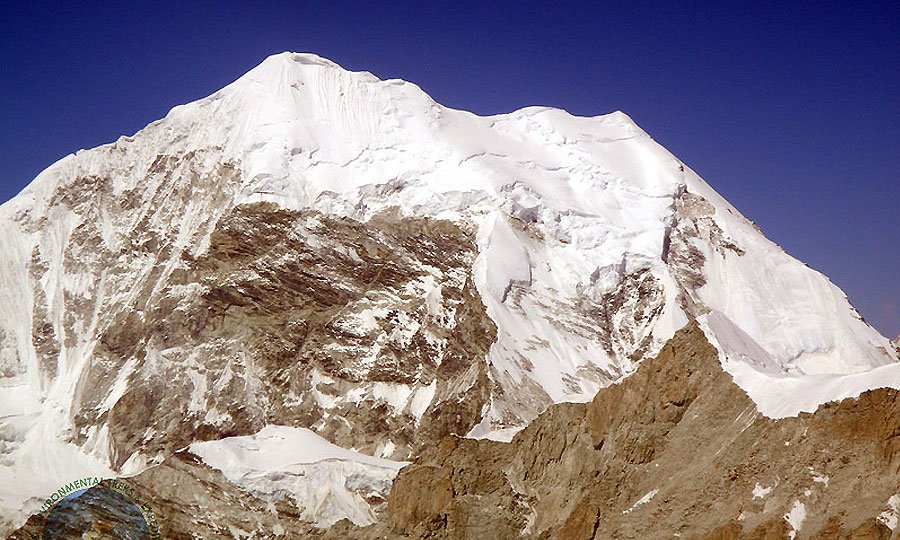
Makalu Expedition – An Epic and Challenging Journey to the Summit of Mount Makalu.
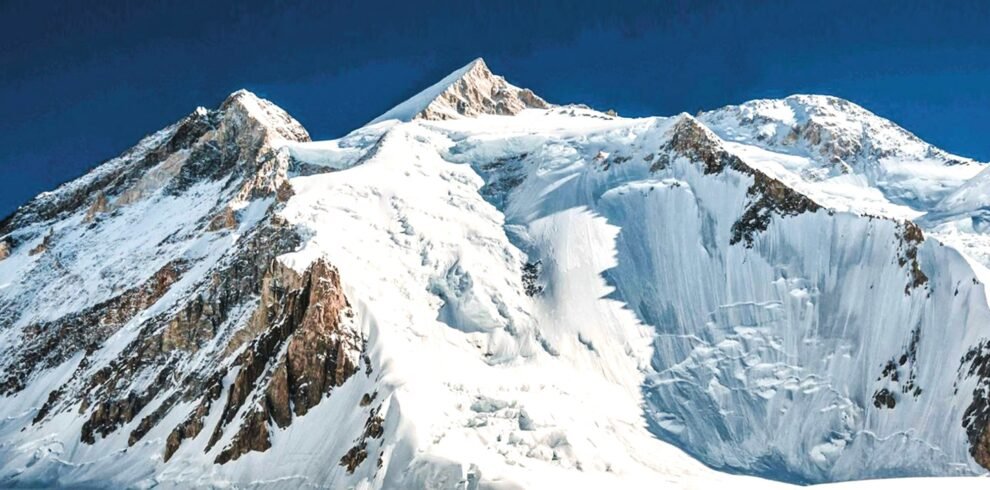
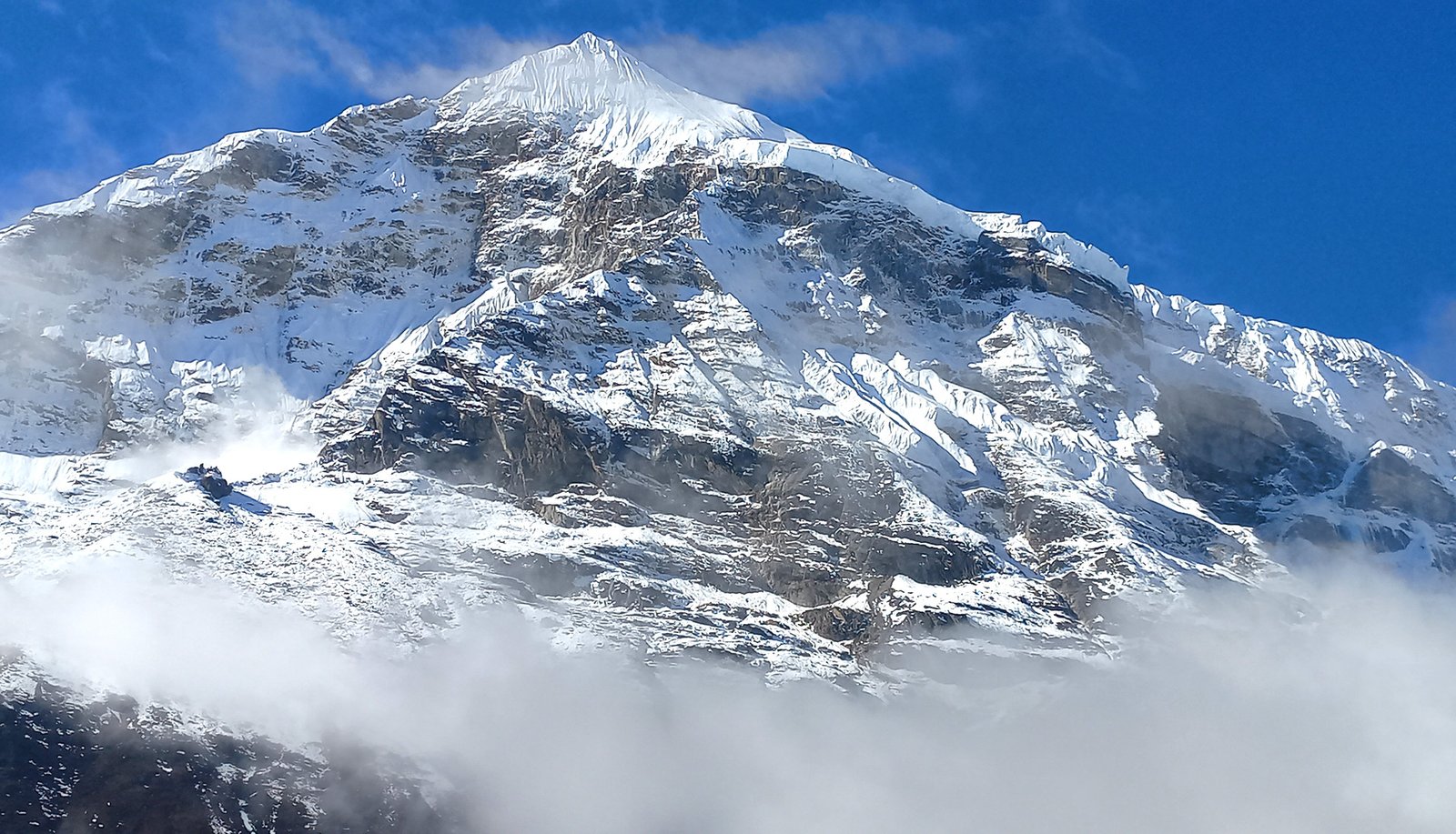
Mt. Makalu, standing at 8,463 meters, is the world’s fifth-highest peak and is renowned for its striking pyramid shape. Like Annapurna and Kangchenjunga, Makalu is a highly technical climb, making it a serious challenge that demands an experienced team, proven mountaineering skills, and strong logistical support.
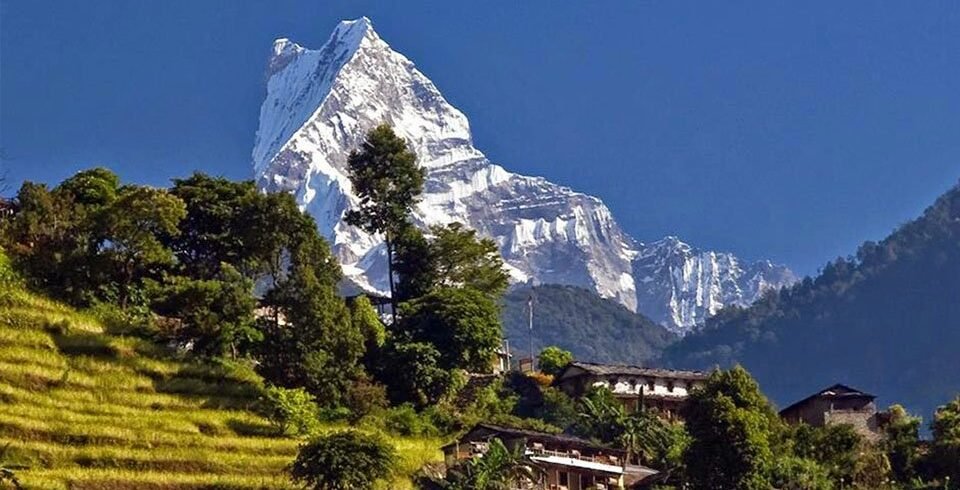
The expedition begins with a short, thrilling flight from Kathmandu to Tumlingtar, followed by a scenic four-hour Jeep ride to the trailhead. The trek to Base Camp (BC) is adventurous, featuring ups and downs, river crossings, and stunning landscapes. While the trail was once devoid of accommodations, lodges now exist in many villages along the route, including a basic lodge at BC.
At Base Camp, climbers will rest, acclimatize, and prepare for the ascent. Advanced Base Camp (ABC) is located at 5,700 meters, and above it are four higher camps: Camp I on a glacial plateau at 6,150 meters, Camp II at 7,000 meters, Camp III at 7,300 meters, and Camp IV on the North Ridge at 7,850 meters. From there, the final push to the summit at 8,463 meters will take several challenging hours.
For those opting for Full Expedition Service, a highly experienced Sherpa guide will accompany you every step of the way, helping you reach the summit safely and return to Base Camp.
Trip Info
-
Hotel/Tea house/Camping
-
Spring /March, April, and May
-
Fly/ Car/ Jeep/ Tourist bus
-
8463m
Overview
Mount Makalu (8,485 m) was first successfully climbed in the spring of 1955 by a French team, but the early attempts by other expeditions set the stage for this achievement. In the spring of 1954, an American team led by William Siri, known as the California Himalayan Expedition to Makalu and composed of Sierra Club members including Allen Steck and William E. Long, attempted the southeast ridge but were forced to turn back at 7,100 m (23,300 ft) due to relentless storms.
At the same time, a New Zealand team, which included Sir Edmund Hillary, also attempted the climb but was unable to reach significant altitude because of injury and illness. Later that year, in the fall of 1954, a French reconnaissance expedition successfully reached the subsidiary summits. On May 15, 1955, the French climbers Lionel Terray and Jean Couzy made the first ascent of Makalu’s main summit during their expedition led by Jean Franco.
Trip Highlights
- less crowded than Everest.
- just as challenging as Everest.
- 3rd highest mountain in the world.
- The trek into Base Camp in remote uncommercialized region.
- incredible views of Everest, 8848m, Lhotse, 8516m, Makalu I, 8463m, Makalu II, 7660m, Peak 38- 7591m, Pumori, Lhotse Shar, 8410m, Barunste 7145m, Chamlan 7319m, Kanchanjunga, 8586m, Jannu Himal, 7710m.
Itinerary
Upon arrival at Tribhuvan International Airport in Kathmandu, you will be warmly welcomed by our representative and assisted with your transfer to the hotel. Take this day to rest and recover from your journey. You can explore the city’s vibrant atmosphere, relax in your comfortable accommodation, and mentally prepare for the exciting expedition ahead. In the evening, there will be a short briefing covering the trekking plans, safety guidelines, and necessary gear. This day is crucial for acclimatization and ensuring you are ready for the journey to Makalu Base Camp.
Spend the day at your hotel in Kathmandu preparing for the Makalu expedition. Use this time to check and organize your trekking gear, review the expedition itinerary, and ensure all necessary permits and documents are in order. You may also attend a detailed briefing with your guides covering trekking routes, safety procedures, acclimatization tips, and other important information. This day is important to get fully ready for the journey ahead, both physically and mentally, before heading to the trailhead.
Today, you will attend an official expedition briefing at the Ministry of Tourism in Kathmandu. During this session, important details about the Makalu expedition, trekking regulations, permits, and safety protocols will be explained. This is also an opportunity to clarify any last-minute questions with your guides and coordinators. After the briefing, return to your hotel to relax, finalize your gear, and prepare for the upcoming journey. This day ensures you are fully informed, organized, and ready for a smooth start to the expedition.
After an early breakfast, take a scenic flight from Kathmandu to Tumlingtar, enjoying panoramic views of the eastern Himalayan ranges. Upon arrival, you will be met by your expedition team and driven by Jeep along the rugged mountain roads to Num. The drive offers a first glimpse of the remote villages and lush landscapes that mark the start of your trek. Upon reaching Num, check into a local lodge, settle in, and relax after the day’s journey. This evening provides an opportunity to acclimatize, prepare your gear, and rest for the trek ahead.
Begin your trek from Num towards Seduwa, following scenic trails through forests, terraced fields, and traditional villages. Along the way, you will cross suspension bridges and experience the local culture of the Makalu region. The trek today is moderate, allowing you to enjoy the natural beauty while gradually acclimatizing to higher altitudes. Upon arrival in Seduwa, check into a comfortable lodge for the night, rest, and enjoy a warm meal. Take this time to relax, prepare your gear, and recharge for the journey ahead.
Today, the trek continues from Seduwa to Tashigaun, passing through picturesque forests, terraced fields, and traditional villages. You will cross rivers and enjoy the stunning views of the surrounding hills and valleys. The trail is moderate, allowing you to acclimatize gradually while experiencing the local culture and natural beauty of the region. Upon reaching Tashigaun, check into a lodge for the night, rest, and enjoy a nourishing meal. This evening provides an opportunity to relax and prepare for the trek to the next village.
Today, you will trek from Tashigaun to Khongma La (Danda), following trails that wind through lush forests, terraced farmland, and traditional villages. The trek gradually gains altitude, offering panoramic views of the surrounding mountains and valleys. Along the way, you will experience the local culture and hospitality of the region. Upon arrival at Khongma La (Danda), check into a lodge to rest, enjoy a warm meal, and acclimatize for the next stage of the trek. Take this time to prepare your gear and refresh for the journey ahead.
Today, you will trek from Khongma La (Danda) to Mumfuk, following scenic trails through forests, terraced fields, and remote villages. The route offers beautiful views of the surrounding mountains and rivers, allowing you to experience the natural beauty and local culture of the Makalu region. Upon arrival in Mumfuk, check into a lodge for the night. Rest, enjoy a warm meal, and take time to acclimatize and prepare for the next stage of the trek.
Today, the trek takes you from Mumfuk to Yangle Kharak, passing through dense forests, open meadows, and traditional Sherpa villages. The trail gradually gains altitude, offering stunning views of the surrounding peaks and valleys. Along the way, you will experience the rich culture and lifestyle of the local communities. Upon reaching Yangle Kharak, check into a lodge for the night, rest, and enjoy a warm meal. Use this time to relax, acclimatize, and prepare for the trek to the next camp.
Today, you will trek from Yangle Kharak to Merak, following trails that wind through forests, river valleys, and terraced farmland. The path gradually ascends, offering breathtaking views of the surrounding peaks and landscapes. Along the way, you will pass small villages and witness the daily life and culture of the local communities. Upon arrival in Merak, check into a lodge for the night, rest, and enjoy a warm meal. Take this time to acclimatize and prepare for the next stage of the expedition.
Today, you will trek from Merak to Sersung, a relatively short and moderate hike to help your body acclimatize to higher altitudes. Upon arrival in Sersung, you will have a half-day rest to relax, recover, and adjust to the altitude. Take this time to hydrate, enjoy the surrounding mountain views, and prepare for the more challenging sections of the trek ahead. In the evening, check into a lodge for the night, have a warm meal, and rest well for the next day’s journey.
Today, you will trek from Sersung to Makalu Base Camp, following trails through alpine landscapes, moraines, and glacial streams. The path gradually ascends, offering spectacular views of Makalu and surrounding peaks. Upon arrival at Base Camp, you will set up your tent and settle in for the night. Take time to rest, hydrate, and enjoy the breathtaking scenery, while preparing mentally and physically for the higher camps and the summit climb ahead. This day marks an important milestone as you reach the gateway to the world’s fifth-highest mountain.
Over the next several weeks, you will progress from Makalu Base Camp to Advanced Base Camp (ABC) at 5,700 m, and then through Camps I, II, III, and IV, gradually ascending the mountain while carefully acclimatizing. Each day will involve trekking across glacial terrain, moraines, and steep ridges, with the difficulty increasing as you move higher. Your experienced Sherpa guides will assist with route setting, safety, and logistics at every stage.
Rest periods at each camp are crucial for acclimatization and recovery. The final summit push to 8,463 m will take several hours of climbing, requiring focus, endurance, and teamwork. After reaching the summit, you will safely descend back to Base Camp, where you can rest, celebrate your achievement, and prepare for the trek back to lower altitudes. Throughout this period, careful planning, patience, and adherence to safety protocols are essential to successfully complete this technical expedition.
After descending from Makalu Base Camp, begin your trek to Mumbuck. The trail today is moderately challenging, winding through alpine landscapes, moraines, and small streams. Enjoy panoramic views of the surrounding peaks and valleys as you make your way to the lodge. Upon arrival in Mumbuck, check into the lodge, rest, and enjoy a warm meal. This day allows your body to recover from the high-altitude climb while continuing the gradual descent toward lower altitudes.
Today, you will trek from Mumbuck to Khongma La (Danda), following scenic trails that pass through forests, meadows, and traditional villages. The trail gradually ascends and descends, offering beautiful views of the surrounding mountains and valleys. Upon arrival at Khongma La (Danda), check into a lodge for the night, rest, and enjoy a warm meal. Use this time to relax and prepare for the trek to the next village as you continue your descent from the high-altitude regions.
Today, you will trek from Khongma La (Danda) down to Seduwa, passing through beautiful forests, terraced fields, and traditional villages. The descent is moderate, allowing you to enjoy the surrounding landscapes and the local culture along the way. Upon arrival in Seduwa, check into a lodge for the night, rest, and enjoy a warm meal. This day provides an opportunity to relax and recover after several days of trekking from higher altitudes.
Today, you will trek from Seduwa to Chichila, following trails through forests, rivers, and terraced farmlands. The trek is moderate, offering scenic views of the surrounding valleys and local villages. Upon arrival in Chichila, check into a lodge for the night, rest, and enjoy a warm meal. This day allows you to continue your gradual descent while reflecting on the experiences and achievements of the expedition so far.
Today, you will trek from Chichila to Tumlingtar, following scenic trails through forests, rivers, and traditional villages. The trail gradually descends, offering beautiful views of the surrounding valleys and farmland. Upon arrival in Tumlingtar, check into a lodge for the night, rest, and enjoy a warm meal. This marks the near completion of your trekking journey, providing an opportunity to relax and celebrate the progress made during the expedition.
After breakfast, take a scenic flight from Tumlingtar back to Kathmandu, enjoying aerial views of the mountains, rivers, and valleys you traversed during the trek. Upon arrival, you will be met by our representative and transferred to your hotel. Spend the rest of the day relaxing, resting, and reflecting on the incredible journey you have completed. This is an ideal time to organize your photos, share stories with fellow climbers, and enjoy the comforts of Kathmandu before the final departure.
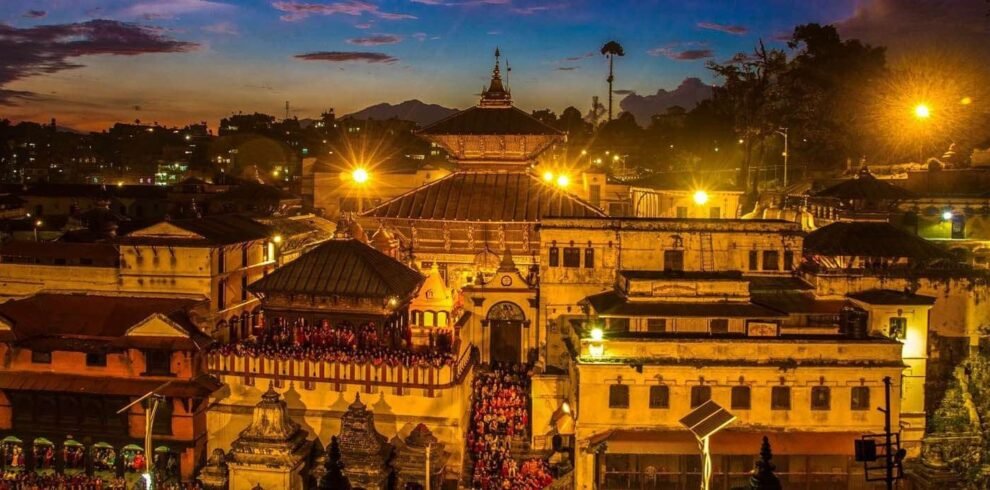
Today is a free day in Kathmandu to relax and enjoy at your own pace. You can explore the city’s rich culture, visit local markets, temples, or simply rest at your hotel after the long expedition. This day allows time to recover, reflect on your journey, and prepare for the final departure. Meals and overnight stay will be at the hotel.
Today marks the conclusion of your Makalu expedition. After breakfast at the hotel, you will be transferred to Tribhuvan International Airport for your onward flight. Take this time to bid farewell to Kathmandu and reflect on the incredible journey, achievements, and memories from your expedition. We wish you a safe journey home and hope the experiences of this adventure remain with you for a lifetime.
Includes/Excludes
Cost Includes
- Arrival and departure cost on domestic and international flights.
- Food and accommodation in Kathmandu on B/B plan.
- All the meals (Lunch, Dinner, Breakfast) During the Trekking and climbing of Makalu Summit and back.
- All of the transportation service from initial and endpoints of Makalu Expedition.
- Climbing Sherpa guide for the expedition.
- Makalu Expedition Group climbing equipment like climbing rope, ice ax, ice screw, ice bar, etc.
- All the required permits for Makalu Expedition.
- High altitude meals.
- All of the insurance and expenses of Liaison officer (Government of Nepal).
- All necessary camping and kitchen equipment provided including base camp tents, dining tent with table and backrest chair, kitchen with all utensils, toilet with commode, etc.
- High altitude tents and crucial gadgets like EPI gas and burner.
- Warm clothes and trek gear for Nepali staffs including porters.
- Life and medical insurance of all the staff and porters.
- Portable Altitude Chamber (PAC) and Gamow Bag along with the comprehensive first-aid kit.
- Communication devices like a walkie talkie and satellite phone in case of emergency.
- Emergency Oxygen with regulator and mask while climbing Makalu.
- Agency service charge.
- Farewell dinner with Nepali song and dance.
Cost Excludes
- International airfare as well as airport tax.
- Nepal entry visa fees.
- Medical and personal high-risk insurance.
- Lunch and dinner while in Kathmandu.
- Bar and beverage bills.
- Personal climbing gears and equipment.
- Emergency rescue evacuation.
- Climbing bonus and tips for Makalu Base Camp staffs and personal expenses.
- Permit fees and charge for satellite phone, communication gadget, and commercial filming while on Makalu Expedition.
- Garbage deposit USD3k (sharing of the total person), and the deposit fee won’t be refunded if the climbers don’t take back their garbage to Kathmandu.
FAQs
The Makalu Expedition is a high-altitude mountaineering expedition to Mount Makalu in eastern Nepal. At approximately 8,463–8,485 meters, depending on the source used, Makalu is the world’s fifth-highest mountain and presents demanding high-altitude and technical climbing challenges.
The Makalu Expedition is considered very challenging and is generally suited to experienced mountaineers with strong high-altitude climbing skills. Climbers should be prepared for steep terrain, glacial sections, extreme altitude, cold, unpredictable weather and prolonged expedition conditions.
The cost varies according to the expedition operator, service level, permits, logistics, Sherpa support, oxygen arrangements and inclusions. Current published expedition packages vary significantly, so climbers should compare exactly what each package includes rather than choosing solely by headline price.
A complete Makalu Expedition commonly takes around 7–8 weeks, including travel to the region, trekking to Base Camp, acclimatization, climbing rotations, summit attempts and return travel. Published itineraries can vary considerably depending on acclimatization and weather conditions.
The principal climbing seasons are spring and autumn, with spring generally regarded as the main expedition season. Weather, snow conditions and route preparation can significantly affect the actual summit window, so expedition schedules must remain flexible.
Climbers need the appropriate Nepal mountaineering permit and regional/national-park permissions applicable to the Makalu area. Permit requirements and fees can change, so your expedition operator should confirm the current regulations before departure.
The standard expedition approach generally begins with travel toward Tumlingtar and Num, followed by trekking through the Makalu region to Makalu Base Camp. The climbing phase then involves establishing higher camps and ascending toward the summit. Exact camp locations and route conditions can change according to seasonal conditions and expedition strategy.
Makalu should not normally be treated as a beginner's mountaineering objective. Successful candidates should have substantial high-altitude experience, excellent physical conditioning, strong glacier and rope skills, and experience with steep snow and ice terrain. Previous 6,000–7,000m or 8,000m-class climbing experience is highly valuable.
Essential equipment includes a suitable high-altitude mountaineering clothing system, double or high-altitude boots, crampons, ice axe, harness, helmet, climbing hardware, sleeping system, expedition backpack and appropriate high-altitude personal equipment. The exact equipment list depends on the route, season and expedition operator, including whether supplementary oxygen is provided.
Preparation should combine endurance training, strength conditioning, altitude experience and technical mountaineering practice. Climbers should also develop efficient movement with crampons and ropes, practice glacier travel, understand altitude-related risks and complete appropriate acclimatization before attempting the summit.