
7000m Expeditions in Nepal
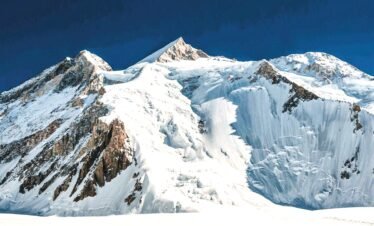
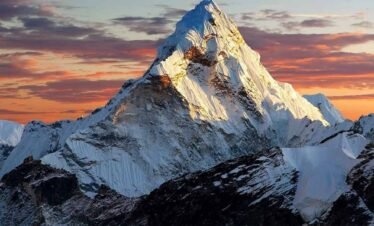

Climb Beyond the Ordinary with a 7,000-Meter Himalayan Expedition
7000m Expeditions in Nepal offer a demanding step into serious high-altitude mountaineering. Rising above 7,000 meters, these Himalayan peaks combine extreme altitude, glacial terrain, technical climbing, expedition logistics, and the unforgettable experience of standing above the clouds.
At Brotherhood Adventure, we organize professionally managed high-altitude expeditions in Nepal for experienced mountaineers seeking challenging Himalayan objectives and preparation for future 8,000-meter climbs. From expedition planning and permits to acclimatization, base-camp logistics, climbing support, and summit strategy, our team helps you approach every stage of the expedition with careful preparation and mountain-focused support.
Whether your goal is to climb Putha Hiunchuli (7,246m), Himlung Himal (7,126m), or another 7,000-meter Himalayan objective, we help turn a serious mountaineering ambition into a structured expedition experience.
Why Choose a 7000m Expedition in Nepal?
A 7,000-meter climb is significantly more demanding than a conventional trekking or peak-climbing adventure. At this altitude, climbers face reduced oxygen availability, rapidly changing mountain weather, steep snow and ice, glacier travel, cold temperatures, and prolonged exposure at high altitude.
Nepal provides an exceptional environment for high-altitude mountaineering because of its extensive Himalayan range, experienced mountain workforce, established expedition infrastructure, and access to some of the world’s most challenging peaks.
A 7000m expedition can also be an important progression for climbers preparing for higher Himalayan objectives. It develops experience in acclimatization, expedition routines, glacier movement, fixed-line climbing, high-altitude decision-making, and living for extended periods in an extreme mountain environment.
Featured 7000m Expeditions in Nepal
Putha Hiunchuli Expedition – 7,246m
Putha Hiunchuli, rising to 7,246 meters in western Nepal’s Dolpo region, is a remote Himalayan expedition objective in the Dhaulagiri range. Its isolated location, spectacular mountain environment, and expedition character make it an attractive choice for climbers looking for a less-traveled 7,000-meter experience.
The expedition involves a demanding approach through the remote Dolpo landscape before reaching the mountain’s base camp. The journey combines high-altitude climbing with an exceptional wilderness experience.
Key information:
- Elevation: 7,246m
- Region: Dolpo, Western Nepal
- Duration: 29 days
- Best seasons: Spring and Autumn
- Suitable for: Experienced and properly prepared high-altitude climbers
Himlung Himal Expedition – 7,126m
Himlung Himal, at 7,126 meters, stands in the remote Nar Phu region of north-central Nepal. It is widely regarded as an important 7,000-meter mountaineering objective and is frequently considered by climbers preparing for future 8,000-meter expeditions.
The mountain offers a demanding combination of altitude, snow and glacier terrain, acclimatization requirements, and expedition logistics. Its location near the Annapurna and Manaslu regions also provides a remarkable Himalayan setting.
Key information:
- Elevation: 7,126m
- Region: Nar Phu, Nepal
- Expedition duration: 40 days
- Difficulty: High-altitude expedition
- Suitable for: Experienced mountaineers with appropriate technical and high-altitude preparation
What Makes 7000m Expeditions Different?
Climbing above 7,000 meters requires considerably more than physical fitness. The environment becomes increasingly unforgiving, and successful expeditions depend on preparation, acclimatization, weather judgment, technical ability, teamwork, and responsible decision-making.
1. Extreme Altitude
Above 7,000 meters, the body operates in an oxygen-depleted environment. Climbers must follow a carefully designed acclimatization strategy and understand the risks associated with altitude.
2. Technical Mountain Terrain
Depending on the selected peak and route, climbers may encounter glaciers, steep snow slopes, ice sections, crevasses, exposed ridges, and fixed ropes.
3. Long Expedition Commitment
A 7,000-meter expedition is not simply a summit-day climb. The complete journey can involve approach trekking, acclimatization rotations, establishing or using higher camps, weather waiting periods, summit preparation, and descent.
4. Unpredictable Himalayan Weather
Mountain weather can change rapidly at high altitude. A safe expedition requires flexibility and the willingness to delay or turn around when conditions are unsuitable.
5. Professional Expedition Logistics
High-altitude expeditions require detailed coordination of permits, transportation, accommodation, food, equipment, climbing support, communications, camp logistics, and emergency planning.
Best Time for 7000m Expeditions in Nepal
The main climbing seasons for many Himalayan expeditions in Nepal are spring and autumn.
Spring (March–May) generally provides favorable climbing conditions for many Himalayan objectives, with improving weather and established expedition activity.
Autumn (September–November) is another major mountaineering season, often offering clearer mountain views and relatively stable conditions after the monsoon.
The ideal climbing window depends on the individual mountain, route, weather pattern, and expedition schedule. Climbers should always follow current professional expedition advice rather than relying only on historical seasonal averages.
Who Can Join a 7000m Expedition?
A 7,000-meter expedition is intended for climbers with substantial high-altitude experience and appropriate technical preparation. Previous experience on lower peaks can be valuable, but simply having trekked at high altitude does not automatically qualify someone for a 7,000-meter climb.
A strong candidate should generally have:
- Proven high-altitude trekking or mountaineering experience
- Excellent cardiovascular and physical fitness
- Experience using crampons and an ice axe
- Familiarity with glacier travel and rope systems
- Ability to climb safely on snow and ice
- Strong acclimatization discipline
- Mental resilience and sound judgment
- Appropriate high-altitude clothing and mountaineering equipment
- Previous expedition experience where appropriate
The exact requirements vary according to the mountain and route. Brotherhood Adventure can assess your previous climbing experience and help determine which expedition is appropriate for your objectives.
What Is Included in a 7000m Expedition?
The exact inclusions depend on the selected mountain and expedition package. A professionally organized expedition may include:
- Airport arrival and departure assistance
- Kathmandu accommodation according to the itinerary
- Domestic transportation where required
- Trekking and expedition logistics
- Climbing permits and applicable official fees
- Base-camp and higher-camp logistics where applicable
- Experienced climbing guides and Sherpa support
- Camp equipment and expedition infrastructure
- Food and accommodation during the expedition
- Necessary staff and porter support
- Expedition coordination and logistical management
Important: Inclusions, permits, equipment, oxygen arrangements, insurance requirements, and support ratios vary by peak. Always confirm the detailed itinerary and cost breakdown before booking.
7000m Expedition Cost in Nepal
The cost of a 7000m expedition in Nepal varies significantly according to the mountain, expedition duration, permit requirements, route, logistics, guide and Sherpa support, number of camps, transportation, equipment, and services included.
Remote mountains can require substantially more logistical planning than accessible objectives. Therefore, there is no single price that accurately represents every 7,000-meter expedition.
For an accurate quotation, contact Brotherhood Adventure with your preferred mountain, climbing experience, group size, and intended season.
7000m Expedition vs 8000m Expedition
A 7,000-meter expedition and an 8,000-meter expedition are both serious mountaineering undertakings, but the environmental demands increase significantly with altitude.
| 7000m Expedition | 8000m Expedition |
|---|---|
| Serious high-altitude mountaineering | Extreme high-altitude mountaineering |
| Excellent preparation for advanced climbing | Requires extensive high-altitude experience |
| Significant acclimatization required | Extensive acclimatization and expedition planning |
| Technical difficulty varies by mountain | Generally much more demanding |
| Often used to build expedition experience | Represents an advanced Himalayan objective |
A well-selected 7,000-meter climb can therefore be an important part of a climber’s progression toward higher objectives, although every climber’s experience and readiness are different.
Why Climb with Brotherhood Adventure?
Brotherhood Adventure is a Nepal-based adventure company providing trekking, peak climbing, and Himalayan expedition services.
For a 7000m expedition, our approach focuses on:
Experienced Local Support
Work with a Nepal-based team familiar with Himalayan terrain, logistics, local conditions, and expedition operations.
Careful Expedition Planning
We coordinate the practical components of your expedition from arrival in Nepal through the mountain and return journey.
Safety-Focused Approach
Acclimatization, weather conditions, route decisions, and climber wellbeing remain central to responsible expedition management.
Personalized Expedition Support
We understand that climbers arrive with different experience levels and objectives. We can help match your background with an appropriate expedition.
Responsible Himalayan Travel
We aim to conduct expeditions responsibly while respecting mountain communities, local culture, and the Himalayan environment.
What is a 7000m expedition?
A 7000m expedition is a high-altitude mountaineering expedition to a Himalayan summit around or above 7,000 meters. These climbs require advanced preparation, acclimatization, technical skills, specialized equipment, and professional expedition logistics.
What are the best 7000m peaks in Nepal?
Nepal has several notable 7,000-meter-class mountains. Examples include Himlung Himal (7,126m) and Putha Hiunchuli (7,246m). The best mountain depends on a climber’s experience, technical ability, objectives, preferred environment, and expedition conditions.
Is a 7000m peak suitable for beginners?
Generally, no. A 7,000-meter expedition should not be treated as a beginner-level climb. Climbers should have relevant high-altitude and mountaineering experience and be physically and technically prepared for extreme conditions.
Is a 7000m expedition good preparation for Everest?
It can be valuable preparation for future 8,000-meter climbing because it develops experience with high-altitude acclimatization, expedition routines, technical climbing, glacier travel, and prolonged exposure to severe mountain environments. However, the suitability of a particular 7,000-meter peak depends on the climber’s experience and future objective.
When is the best time for a 7000m expedition in Nepal?
Spring and autumn are the principal climbing seasons for many Himalayan expeditions in Nepal. The exact best period depends on the mountain, route, weather, and current expedition conditions.
How difficult is a 7000m expedition?
Difficulty varies significantly between mountains and routes. Altitude itself creates a major challenge, while technical climbing, glacier travel, steep terrain, weather, expedition duration, and remoteness can further increase difficulty.
How much does a 7000m expedition cost in Nepal?
There is no universal price. Cost depends on the mountain, permits, duration, logistics, transportation, climbing support, equipment, and services included. Request a mountain-specific quotation for an accurate current price.
Do I need previous mountaineering experience?
Yes. A 7,000-meter expedition generally requires meaningful high-altitude and mountaineering experience. Your previous climbs should demonstrate that you can safely manage demanding terrain, altitude, equipment, and prolonged expedition conditions.
What equipment is required for a 7000m climb?
Equipment varies by mountain and route but can include mountaineering boots, crampons, ice axe, harness, helmet, ascender and descender systems, carabiners, ropes or fixed-line equipment, technical clothing, expedition down gear, gloves, goggles, sleeping equipment, and appropriate high-altitude personal gear.
Can Brotherhood Adventure organize a customized 7000m expedition?
Yes. Expedition arrangements can be discussed according to the selected mountain, preferred season, group size, experience, itinerary, and required services.
Start Your 7000m Himalayan Expedition
A 7,000-meter summit is more than a high point on a map. It is a test of preparation, endurance, technical ability, patience, teamwork, and judgment.
If you are ready to move beyond trekking and lower-altitude climbing and take on a serious Himalayan expedition, Brotherhood Adventure can help you plan your next 7,000-meter objective in Nepal.
Explore our available 7000m expeditions, review the detailed itinerary and requirements, and contact Brotherhood Adventure to begin planning your Himalayan climbing adventure.
Plan Your 7000m Expedition with Brotherhood Adventure
Affiliations




We Accept


Contact Us
- +977 986-0447967
- sherpachewa2018@gmail.com
- info@brotherhoodadventure.com
- Kathmandu, Nepal