
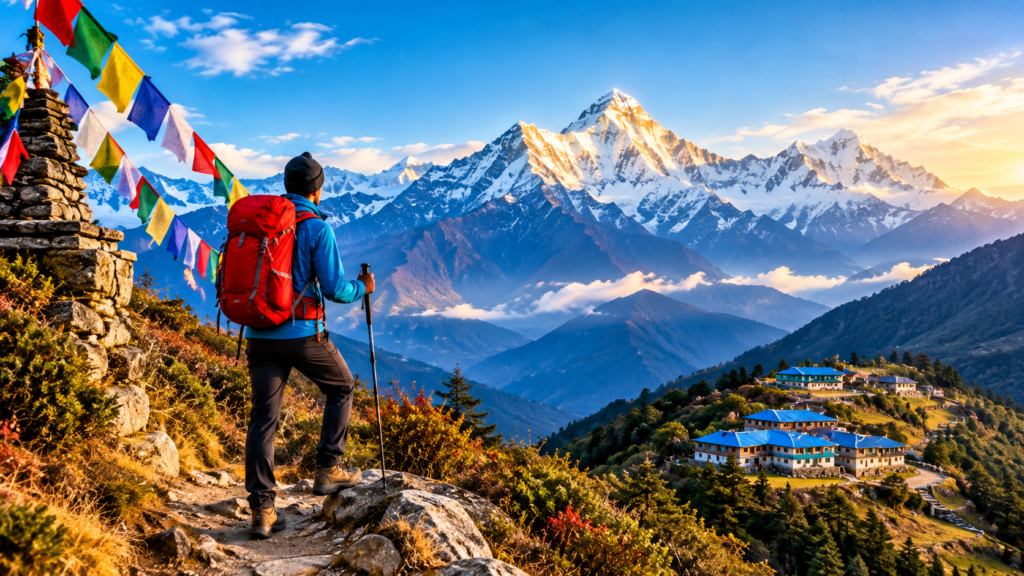
Nepal Trekking: Complete Guide to the Best Treks, Packages, Routes, Costs, Difficulty & Best Seasons.
Nepal Trekking Nepal trekking is one of the world’s most diverse Himalayan adventure experiences, combining spectacular mountain scenery, high-altitude trails, traditional villages, Buddhist and Hindu culture, protected landscapes and close interaction with local communities. From the internationally famous Everest Base Camp Trek to remote journeys in Dolpo, Kanchenjunga and Makalu, Nepal offers trekking routes for beginners, experienced hikers and serious high-altitude adventurers. Nepal Tourism Board notes that many trekking routes range between approximately 1,000 and 4,000 metres, while popular sections of some routes exceed 5,000 metres. Everest, Annapurna and Langtang have traditionally been among Nepal’s most popular trekking regions, while destinations such as Kanchenjunga and Dolpo offer more remote experiences. This complete guide explains Nepal trekking packages, routes, itineraries, costs, difficulty, permits, seasons, guides and preparation so you can choose a trek according to your time, experience, budget and fitness. What Is Nepal Trekking? Nepal trekking means travelling through Nepal’s Himalayan, mountain and hill regions primarily on foot, usually following established trails between villages, settlements, viewpoints, mountain passes, valleys and base camps. A trekking journey can range from a relatively short Nepal hiking and trekking experience of several days to a demanding multi-week expedition through remote Himalayan terrain. Unlike mountaineering, most trekking routes do not require technical climbing skills. However, some high-altitude treks involve difficult terrain, long walking days, steep passes and significant altitude gain. Routes such as the Three High Passes, Manaslu Circuit, Upper Dolpo and certain Kanchenjunga itineraries therefore require considerably more preparation than shorter lower-altitude hikes. Best Treks in Nepal Nepal has an extensive network of trekking routes. The right trek depends on your available time, fitness, experience, desired altitude and preferred environment. Trek Typical Duration & Details Everest Base Camp 12–16 days • Challenging • Everest and Khumbu Three High Passes 18–22+ days • Very challenging • High passes and Everest region Annapurna Circuit 12–18 days • Moderate–Challenging • Diverse landscapes and Thorong La Manaslu Circuit 14–18 days • Challenging • Remote Himalayan scenery Langtang Valley 7–10 days • Moderate • Mountains, villages and valley Upper Mustang 12–16 days • Moderate–Challenging • Trans-Himalayan landscape Kanchenjunga 18–24+ days • Challenging • Remote eastern Himalaya Makalu Base Camp 20–24+ days • Very challenging • Makalu and remote terrain Dolpo 18–30+ days • Challenging–Very challenging • Remote western Nepal Peak Climbing Varies • Technical/Very challenging • Himalayan climbing Duration varies according to route, itinerary, acclimatisation days, transportation and trekking conditions. Everest Base Camp Trek The Everest Base Camp Trek is one of the world’s best-known Himalayan trekking journeys. The route passes through the Khumbu region and traditionally involves Lukla, Namche Bazaar, Tengboche, Dingboche, Lobuche and Everest Base Camp, with acclimatisation built into the itinerary. It is an excellent choice for travellers who want a classic Nepal Himalayan trekking experience without attempting to climb Mount Everest. Three High Passes Trek The Three High Passes route is considerably more demanding than the standard Everest Base Camp itinerary. It combines major high passes with Everest-region valleys and viewpoints. Because of its altitude, length and challenging terrain, it is better suited to experienced trekkers with appropriate acclimatisation and preparation. Annapurna Circuit Trek The Annapurna Circuit is known for its geographical and cultural diversity. Depending on the itinerary, trekkers encounter subtropical valleys, high mountain landscapes, Tibetan-influenced settlements and the Thorong La area. Its accessibility and varied scenery make the Annapurna region one of the major destinations for trekking in Nepal. Manaslu Circuit Trek The Manaslu Circuit travels around Mount Manaslu through increasingly high and remote Himalayan terrain. It offers mountain scenery, traditional villages and the challenging Larkya La crossing. The Manaslu region is also a regulated trekking area, so trekkers should arrange the appropriate permits and guide requirements before departure. Langtang Trek Langtang is comparatively accessible from Kathmandu and provides a shorter route into the Himalayan environment. It can be suitable for travellers who have less time but still want mountain scenery, villages and high-altitude trekking. Upper Mustang Trek Upper Mustang is a distinctive trans-Himalayan destination characterised by dry landscapes, cliffs, caves, monasteries and Tibetan-influenced culture. It is a restricted area, meaning foreign trekkers need a special trekking permit and must follow the applicable regulations. Nepal’s Department of Immigration currently lists Upper Mustang at USD 50 per person per day. Kanchenjunga Trek Kanchenjunga trekking takes travellers into eastern Nepal around the world’s third-highest mountain. The region is remote and involves longer itineraries, significant altitude variation and fewer services than heavily visited trekking corridors. Makalu Base Camp Trek Makalu Base Camp is a demanding journey through the Makalu-Barun region. Nepal Tourism Board describes the southern route as one of Nepal’s tougher trekking routes and recommends it for experienced trekkers. Dolpo Trekking Dolpo offers some of Nepal’s most remote trekking experiences, including dramatic high-altitude landscapes and traditional Himalayan communities. Upper and Lower Dolpo involve special regulations and permits, so itineraries should be organised with an appropriately registered trekking agency. Peak Climbing in Nepal Peak climbing goes beyond conventional trekking. Technical skills, climbing equipment, permits and specialised support may be required depending on the peak. Nepal Tourism Board states that larger mountain permits are issued through the relevant government authority, while the Nepal Mountaineering Association handles permits for designated trekking peaks. Nepal Trekking Packages and Tours Nepal trekking packages normally combine some or all of the services required to complete a trekking itinerary. Depending on the operator and route, a package may include: Airport transfers Kathmandu accommodation Domestic transportation or flights Trekking guide Porter service Accommodation during the trek Meals according to the package Required permits TIMS arrangements where applicable Conservation or protected-area entry fees Government taxes Emergency assistance Before booking Nepal trekking tours, compare exactly what is included and excluded rather than comparing only the advertised price. A private trekking in Nepal package generally provides greater flexibility in itinerary and group composition, while group trekking in Nepal can be suitable for travellers who prefer a shared experience and potentially lower per-person costs. Nepal Trekking Routes and Itineraries A good Nepal trekking itinerary should balance walking